OVC 2018
Odisha Vikash Conclave
Odisha continues to struggle as one of the poorest states in the country despite owning vast natural resources. Notwithstanding the higher economic growth rate of more than 6% over last several years, about 33% of the State’s total population still wallow under the poverty line. Against this backdrop, Odisha Development Initiative (ODI) emerged in 2016 as a broad-based coalition that organized the second edition of the Odisha Vikash Conclave (OVC) in 2018.
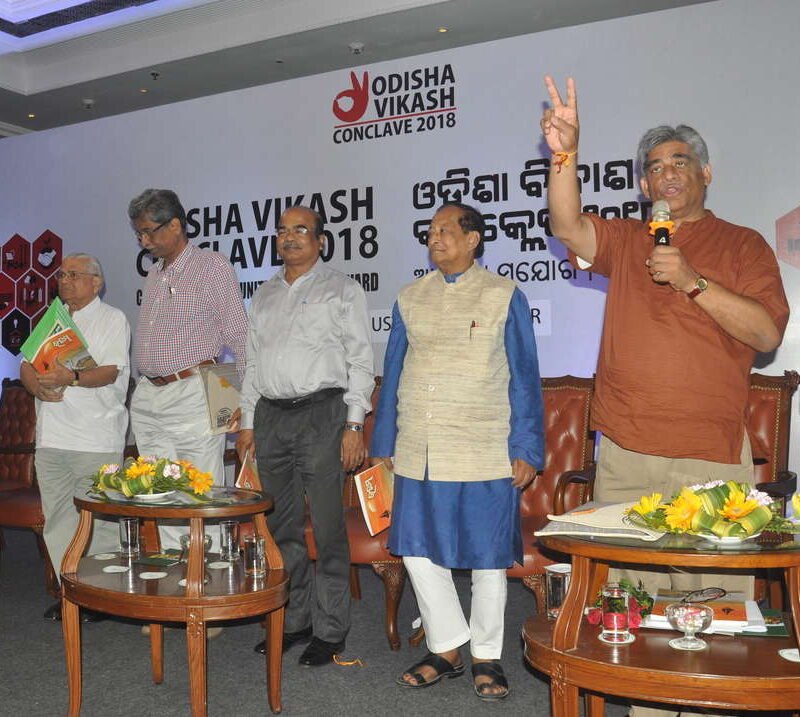
The OVC 2018 was a three-day long dialogical process organized in Bhubaneswar during 24-26 August 2018 involving participation of about 2600 delegates from different sectors including civil society organizations (CSOs), government, academia, corporate bodies and media with an aim to delineate a development roadmap for the State in harmony with the Sustainable Development Goals (SDGs) and to build synergy amongst the different actors and stakeholders.
Download PDF Version






Thematic Tracks
Back Drop
Odisha continues to struggle as one of the poorest states in the country despite owning vast natural resources. Notwithstanding the higher economic growth rate of more than 6% over last several years, about 33% of the State’s total population still wallow under the poverty line. Against this backdrop, Odisha Development Initiative (ODI) emerged in 2016 as a broad-based coalition that organized the second edition of the Odisha Vikash Conclave (OVC) in 2018.
Objectives
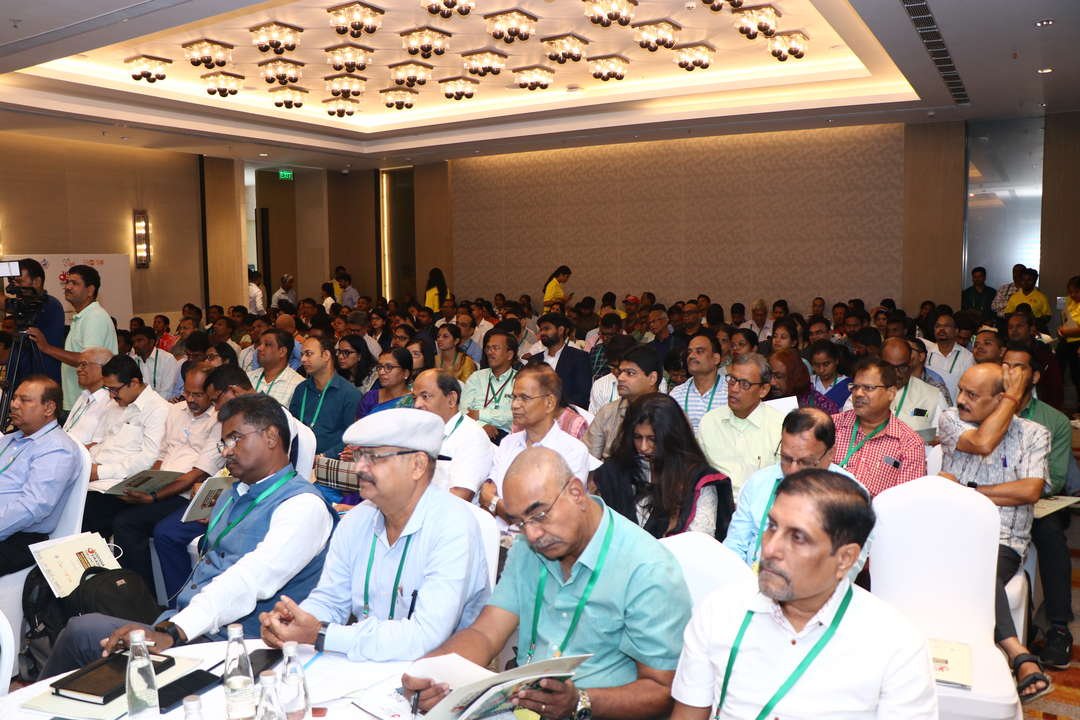
- Facilitate discussions among development actors about the impacts of demographic change on various sectors and development indicators.
- Develop an action plan to mitigate potential challenges and harness opportunities arising from the demographic transition.
- Identify the roles of the government, civil society organizations (CSOs), corporate social responsibility (CSR) bodies, academic institutions, and other development agents in driving sustainable development and positive change in Odisha.
- Present the analytical report, “Odisha @2036: Demography and Development,” which provides insights into the state’s demographic trends and their implications.
Release of the Report “Emergent Odisha: Demography & Development”
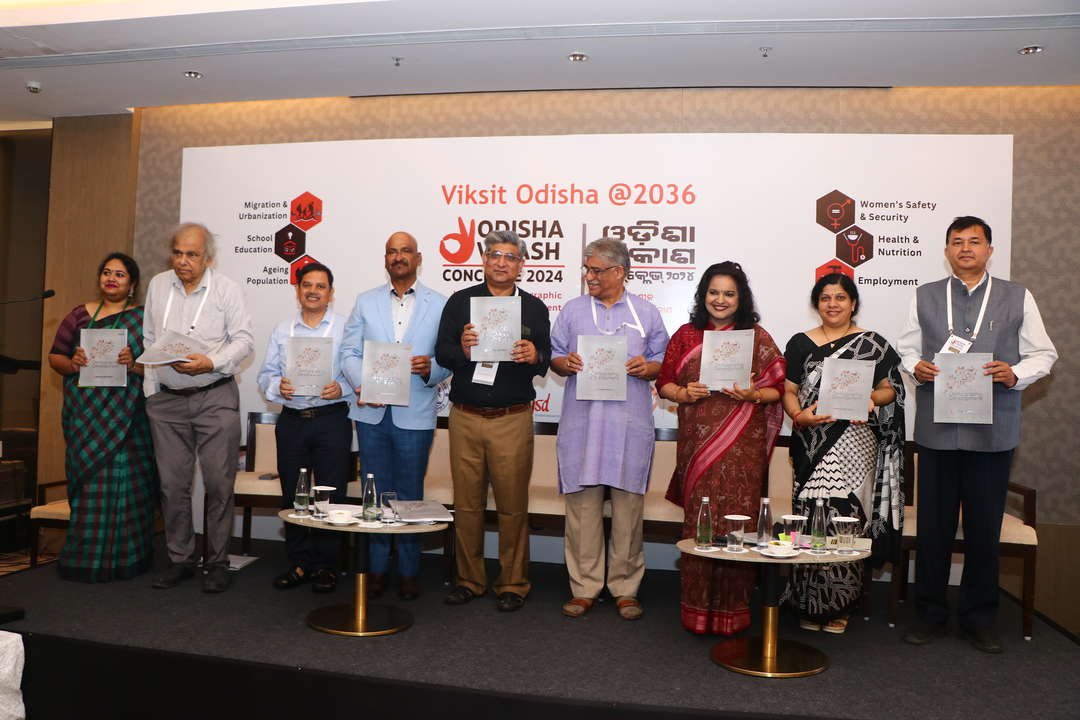
The report “Emergent Odisha: Demography and Development” highlights key demographic shifts that will reshape its socio-economic landscape. To leverage its demographic dividend, the state needs to address healthcare disparities, particularly for women, children, and the elderly, through reforms in healthcare services and social security. The report also focuses on improvements in the quality of learning and continuing education initiatives, alongside equipping the youth with critical skills as the working-age population peaks. Additionally, it underscores the need for sustainable urban management and rural development to mitigate distress migration.
”We are now planning the vision for Odisha @2036 and 2047. This is the best time to have this kind of conclave. I am very happy to find such a wide range of stakeholders and will be getting some lovely ideas. We are keenly waiting for all the ideas.
Smt. Anu GargDevelopment Commissioner-cum-Additional Chief Secretary, Government of Odisha
Inclusive Governance,
Fiscal Management & Social Accountability
The framework of Sustainable Development Goals (SDGs) acknowledges the criticality of improving governance. The SDGs recognize some aspects of governance (such as participatory democracy, effective, accountable and inclusive institutions at all levels) as core elements of well-being and enablers of development. In the context of developing countries, it is acknowledged widely now that public resources will play the most central role in financing development.
The issues pertaining to governance and fiscal policy, in the context of sustainable development, are very pertinent for India. Despite impressive economic growth in Odisha has been appreciable in recent years, it needs to address a few complex challenges – like rising income inequality (for the Scheduled Tribes vis-a-vis other sections of the population), relatively high dropout rates in school education, and deficiencies in maternal and child health and nutrition outcomes, among others. Recognizing and addressing the gaps in Odisha’s governance, fiscal policy and public finance management system would contribute a lot towards taking the State to a much higher trajectory of inclusive, sustainable development.
Download Background Note
Highlights
- Key reforms needed in the governance landscape in Odisha.
- Moving towards accountable and inclusive institutions and policies at all levels.
- Resource mobilization strategies and public spending priorities in the context of financing inclusive development in the State.
Issues and Challenges
- Three main factors affect the governance in state—legacy of social disadvantages that impacts 40% population (including Adivasis, Dalits, and Other Backward Castes); extremely varied geography; and inordinately more natural calamities experienced by Odisha.
Way Forward and Recommendation
- Emphasis on social sectors like health, education, and nutrition and use of PAI model at sub-state (or district) level to improve Odisha’s Governance rankings.
Recommendations from pre-conclave caucus
- Creating equal opportunity funds across all departments to meet the reasonable accommodation.
”In the past, resource crunch undermined development efforts. Now, Odisha has gone from facing severe food shortage to exporting rice; and from being crises stricken due to disasters to becoming a model of disaster resilience....Moreover, the government is also
Shri. R. BalakrishnanDevelopment Commissioner & Additional Chief Secretary Government of Odisha
keen to work with the civil society for human resource development.
”Civil Society Organizations (CSOs) are ideal stakeholders in Odisha’s inclusive governance as watch dogs and last mile implementers of development policy since their very existence depends on public accountability.
Dr. Aurobindo BeheraPresident, Citizens for Good Governance and a retired IAS officer of Odisha cadre.
”With IFMS and improved treasury management, expenditure tracking and expenditure incidence studies at regional level and of income groups should be undertaken.
Prof. Tapas SenFormerly with National Institute of Public Finance and Policy, Delhi

Rural Employment & Migration
Almost all the districts in Odisha are reporting both opportunity and distress labour migration. As per Economic Survey of India-2017, Ganjam and Balangir districts are amongst the largest labour sending districts in India. Though the number is increasing every year, Department of Labour & Employment, Government of Odisha reports only 1, 05, 000 migrant labourers registered under Inter-State Migrant Workers Act of 1979 till now. Odisha receives Rs. 2,000 crore as remittance from inter-state migrant workers. The migrant workers are known for their finest skills in number of sectors such as- plumbing, textile, domestic help, construction and brick making. Government of Odisha has come up with a special action plan for reducing the vulnerability of migrant workers in 11 districts and civil society organisations are also contributing significantly. But, these migrants are still excluded from accessing social security, government entitlements and non-implementation of labour laws both at source and destination places and the violation of human rights are on rise.
Highlights
- What can create sustainable rural employment in Odisha? How to revitalize the MGNREGA?
- How can women’s workforce participation in Odis- ha’s countryside be improved?
Issues and Challenges
- Fastest growing informal workforce and rural unemployment in Odisha.
- Worsening MGNREGA deliverables and governance.
Way Forward and Recommendation
A. From programme perspective
A.l. Migration
- Registration of migrant youth trained under skill India, under ISMWA 1979 at source and destination through industry coordination.
- Special welfare and protection programme for left behind vulnerable migrant families like children, women, PwDs.
Best Practices
Tata Trusts has opened 61 Gram Panchayat Resource Centres (GPRC) or one stop shops for all vulnerable households, where they can get all kinds of information.
There are schools run by Aide et Action with the support of both Telengana and Tamil Nadu state governments where the migrant children are being taught in their mother tongue and books are sent to them from Odisha state government.
”Migration is a constitutional right but there should be a system of tracking migrants migrating to other states for livelihood or else they will be left out from development efforts of the state.
Mr. Umi DanielDirector, Migration & Education, Aide et Action, Odisha
”Administration shows callous attitude in rehabilitation of rescued bonded labourers from brick kiln sites.
Mr. Rukmana DipMigrant Brick Kiln Worker and a legally released migrant bonded labourer

Water, Sanitation & Hygiene
Despite a lot of efforts starting from Central Rural Sanitation Program (CRSP) in the year 1986 to Swachh Bharat Mission (SBM), the matter of WASH (Water, Sanitation and Hygiene) is yet to be treated as a developmental issue in Odisha. The current interventions are confined to service delivery in terms of toilet construction. The solid and liquid waste management is yet to get into limelight. Same is the case with drinking water – starting from Accelerated Rural Drinking Water Programme’ (ARDWP) to ‘National Rural Drinking Water Programme’ (NRDWP), whether services are being provided in a ‘supply driven manner’ or in a ‘demand driven manner’, drinking water is still a mirage for many. Government and civil society organization interventions are yet to bring fruitful changes in the age-old scenario of the country. Every year, people, especially the excluded and marginalized, die because of epidemics like diarrhea.
Download Background Note
Highlights
- How can the effectiveness of the ongoing sanitation drive in both rural and urban areas be enhanced to ensure last mile service delivery?
Issues and Challenges
- Absence of regulatory mechanism to ensure implementation of water and sanitation policies.
Way Forward and Recommendation
- The State to set a standard service for WASH facilities and ensure that the standard is maintained by establishing a robust monitoring mechanism.
Recommendations from pre-conclave caucus
- Flexible budget provision for accessible toilets for PwDs under SBM.
- Ensuring Drinking water source to be made available (within 100 meters) for families having PwDs in villages and urban slums.
”CPHEEO norm of the de-commissioning tube wells after 18 years of existence is not being done. As a result the number of tube wells on paper is increasing without any functional accountability
Mr. Tapan Kumar PadhiExecutive Director, National Institute of Development

Women and Violence
Sustainable Development Goal-5 seeks to achieve gender equality and empower all women and girls as the greatest human rights challenge. Within Goal 5, 3 targets and 6 indicators specifically focus on violence against women and girls, showing its criticality for ensuring meaningful gender parity and empowerment. The Constitution goes beyond granting equality to women by empowering Government to adopt positive discrimination measures in favour of women. This is to negate accumulated socio-economic and political disadvantages faced by them.
Download Background Note
Highlights
- What mechanisms by Government of Odisha are in place to ensure accountability for violation of laws, policies, and schemes to address violence against women?
Issues and Challenges
- Economic development and empowerment are the two weapons to fight against gender-based violence and poverty with feminine gender in society. Regarding the deep-rooted patriarchal sub-culture, prevalent in the society, police, activists and other intellectuals must come forward to play a significant role to uproot them.
Recommendations
Overall
- Reactivating the State level gender task force, for reviewing and monitoring the implementation of laws and policies from a women’s perspective.
Violence
in domestic spaces
- Adequate budget provision with clear guidelines for enactment of the Acts. Of late, the budget allocation is being done by the nodal department (W&CD) under the head of women welfare in which the actual amount of allocation for implementation of an Act is subsumed. This leads to confusion and lack of tracking of utilization.
”The complaint committees are not accessible to women at village level. Besides, lack of properly trained people to take forward this issue is another challenge in providing justice to the complainants.
Ms. Nanditta BhattSenior Programme officer, PRIA (New Delhi)
”Even with the country having rights and laws for women, they are still unaware of different legislations for them.
Dr. Lopamudra BaxipatraChairperson, State Commission for Women, Odisha
”There is a need to create a partnership or networking between police and organisations working on gender based violence to combat the situation.
Dr. Satyajit MohantyPolice Commissioner, Bhubaneswar and Cuttack
Rainfed Agriculture
Odisha is among the few Indian States that has always been farmer centric, be it at the policy level or at planning and implementation level. Initiatives of the State Government with respect to strengthening agriculture and farmers welfare includes steps like two separate Agricultural State Policies- in 2008 and 2013, separate Agricultural Budget since 2013, a change in the nomenclature of the Department of Agriculture to the Department of Agriculture and Farmers’ Empowerment, introduction of new schemes like BKKY, Basudha etc. Odisha has 60-70% of Rain-fed areas and the rainfall pattern is extremely erratic in the dry land areas which is less than 750mm. However, the post Green Revolution era has largely focused on paddy production by passing some of the indigenous seeds and methods of cultivation. Paddy remains a focus even in the procurement policy of the state. However, the geographic terrain supports a different farming system in the state where paddy is most suitable for low lands.
Download Background Note
Highlights
- How can the agriculture policy be made more responsive to the specific needs of Odisha’s rainfed agriculture dependent areas? In particular, how can farm distress be addressed?
Issues and Challenges
- Rainfed agriculture in India is bagged by undulating topography and fragmentation, varied agro-climatic conditions, marginal soils, crop loss due to dry spells, issue of remote location and lack of accessibility due to distant markets, un-uniform products and squeezed public investments towards promoting rainfed crops.
Key Points
- The technique of agriculture cannot be generalised in every patch of land that gets cultivated. It’s crucial to integrate the geographical diversity of land, richness in diversity and location specific diversity in agriculture practices. This is because diverse agriculture has multiple options. Therefore, local social capital, local knowledge of farmers in cultivating crops must be the priority before combining it with scientific mechanisation.
Way Forward and Recommendation
- To have an inclusive growth, differential policies for rain-fed agriculture including livestock and fisheries need to be brought up. Substantial scaling up of Public Investments for revitalizing rainfed agriculture is a necessity. There is also a need to develop an appropriate framework for public investments- rooted in a paradigm relevant for rain-fed farmers.
”The government, having previously signed MoUs with other states, should consider extending such agreements to Gujarat, Telangana, and Kerala to ensure that our migrant workers moving to these states can benefit from their social welfare schemes.
Shri Umi DanielDirector, Migration & Education, Aide et Action International
”Establishing a robust registration system for migrants at the GP level is vital for ensuring their safety and dignity. Prioritizing the repatriation of deceased migrants honors their lives and provides essential support to grieving families.
Shri Nirmal Chandra MohantyProgramme Manager, Livelihoods and Village Institutions, Gram Vikas

School Education & Quality Learning
Sustainable Development Goals have led the Government of India (Gol) to focus on universalising access to elementary education and on improving its quality. Flagship programmes on education, which include District Primary Education Programme, Sarva Shiksha Abhijan, and Rashtriya Madhyamika Shiksha Abhiyan are meant to achieve these two objectives. Despite Gol and state governments’ initiatives, many children still lag behind desired learning level in government schools. Annual Status of Education Report-Rural 2016 reports that in rural areas, 27% of children in Class 8th can’t read Class 2nd level text and 57% are unable to perform simple divisions taught in Class 4th. These learning deficits are seen across grades and accumulate with each grade. Corresponding figures for Odisha’s rural areas and for scheduled tribes are worse.
Download Background Note
Highlights
- What strategies are working (and which are not) for improving quality learning processes and learning outcomes for children?
Issues and Challenges
- Children are not performing well in Odisha in comparison to national average as per the National Achievement Survey. The RTE Act has been amended to scrap No Detention Policy, (NDP) and introduce traditional examination from Class-V and Class-VIII. Government of Odisha had NDP before implementation of the Act. Government may scrap NDP without any consultation.
Way Forward and Recommendation
- Teachers’ Training Programme should be designed in such a way that it can accommodate a variety of learners with different backgrounds, needs and strengths. An effective teacher support system must be introduced to understand the learning gaps. To deal with this, a continuous and coherent programme of professional development is required for all educational personnel.
Key Policy Asks
- Teachers Training Programme should be redesigned in a way that can accommodate a variety of learners from different backgrounds and needs
”There is heavy demand for infrastructure building, entitlements, salary hike, but there is less demand for quality education. In order to empower students, demand for quality education must come from everywhere.
Shri Bhupendra Singh PuniaState Project Director, OPEPA, Bhubaneswar
”Teachers must be competent enough to assess students’ learning in a way that acknowledges both their developmental strengths and challenges. Through assessment, a teacher can help a child to think critically and analyse information with greater depth.
Prof. (Dr.) H.K. SenapatyDirector, National Council of Educational Research and Training (NCERT), New Delhi
”Civil society organizations should suggest the government on policy interventions to achieve improved access to quality education as well as addressing relevant obstacles which include gender inequalities, food insecurity, and poverty.
Smt. Kasturi MohapatraFormer Chairperson, OSCPCR
”The OVC will foster insightful discussions and critical thinking, empowering participants to explore diverse perspectives and inspire innovative solutions within the community.
Dr. Mitali ChinaraProfessor, Department of Analytical & Applied Economics, Utkal University
”To empower women and ensure their safety, we need robust frameworks and greater community awareness, fostering a society free from fear and violence.
Ms. Rukmini PandaState Head, Breakthrough India
”Empowerment is about creating opportunities, fostering equality, and uplifting voices. Together, we can build a society where every individual thrives and contributes meaningfully.
Ms. Sneha MishraSecretary, Aaina
Health & Wellness
After pursuing different health targets under Millennium Development Goals (MDGs) during 2000-2015, India is now on the track of Sustainable Development Goals (SDGs). In tandem with the national efforts towards achieving SDG health goals, the state of Odisha, usually regarded as one of the poorest states in India-both economically and health-wise, continues to undertake several measures to bring about favourable health outcomes in its population. Though during the MDG era, it has shown promising improvement in some of the health indicators, especially in reproductive, maternal and child health, however the progress has rather been tardy and uneven with wider regional and gender differentials. The maternal and child health indicators in the state are poor as compared to Kerala, and Tamil Nadu. Even if the state has made impressive progress in reducing IMR, which currently stands at 42, less than the national average, the Neonatal and under five (U 5) mortality, continue to be a cause of concern.
Highlights
- What is the current status of primary health care in Odisha? What steps need to be taken to widen the reach of primary health care while ensuring quality?
Issues and Challenges
Strengthening primary healthcare in rural areas
Barriers to Primary Health care
- Mismatch between epidemiological realities and what is delivered.
Way Forward and Recommendation
Strengthening primary healthcare
- Increase public investments in primary health care: Out of the 2.5% of GDP to be spent on health, 70% should be on PHC.
”When looking from the perspective of a person with multiple health needs, a vertical program cannot cover all the needs. Such services that can respond to a variety of health needs of people and the epidemiology of diseases in a particular area, are really critical.
Dr. Pavitra MohanFounder, BHS and Director, Health Services, Aajeevika Bureau
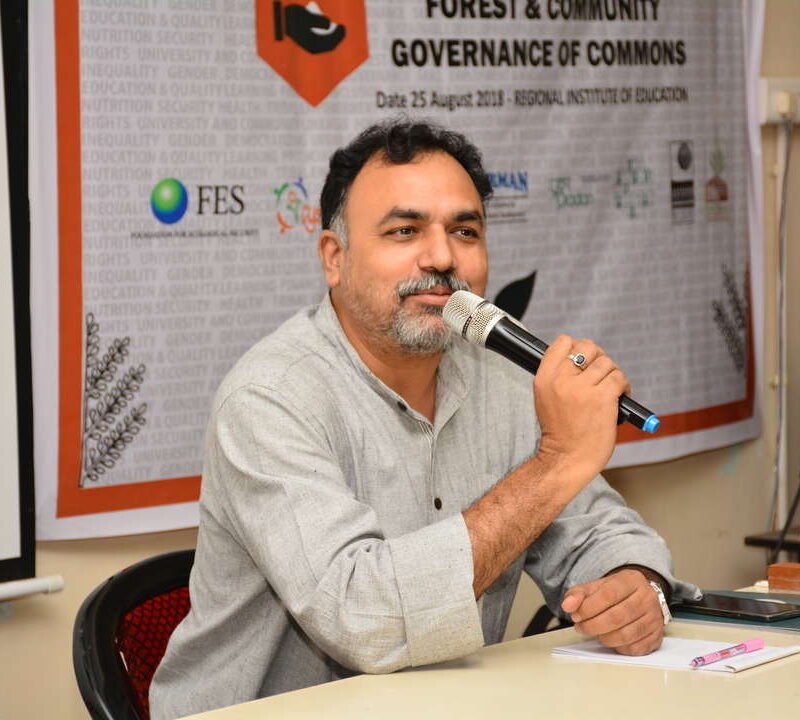
Community Rights over Forest Community Governance of Commons
In Odisha and India, those who have destroyed forests in and around their villages and towns have enforced the idea that the forests belong not to the villages that protected them but to the government. Such villagers have often been threatened with eviction and displacement. The Forest Rights Act of 2006 is an exceptional piece of legislation that acknowledged this historical injustice done to tribal and other forest dwellers over the colonial and post-colonial period and set out to address it. It sought to provide households titles on land that they have been occupying for habitation or self-cultivation, community rights over forest resources, rights over forest produce and habitat rights of particularly vulnerable tribal groups.
Highlights
- Assessing the progress of the FRA towards addressing the historical injustice.
Issues and Challenges
- The average size of the titles is among the smallest in the country (1.5 acres compared to 2.6 acres for the rest of India). Disturbingly the average area of IFR titles has gone down in the last year to less than 1 acre. The top two performing districts in terms of number of titles in the last 4 years have an average title size of less than 0.7 acres and 0.5 acres respectively.
Way Forward and Recommendation
- The government instead of driving the communities out of the forests, should give those rights within the forests for the best interest of both – the forests and the communities
Key Policy Asks
- Handing over CFR titles to all eligible communities and IFR titles to all eligible tribal and OTFD households should be the immediate objective of the Government and the CSOs are willing to extend support for the same.
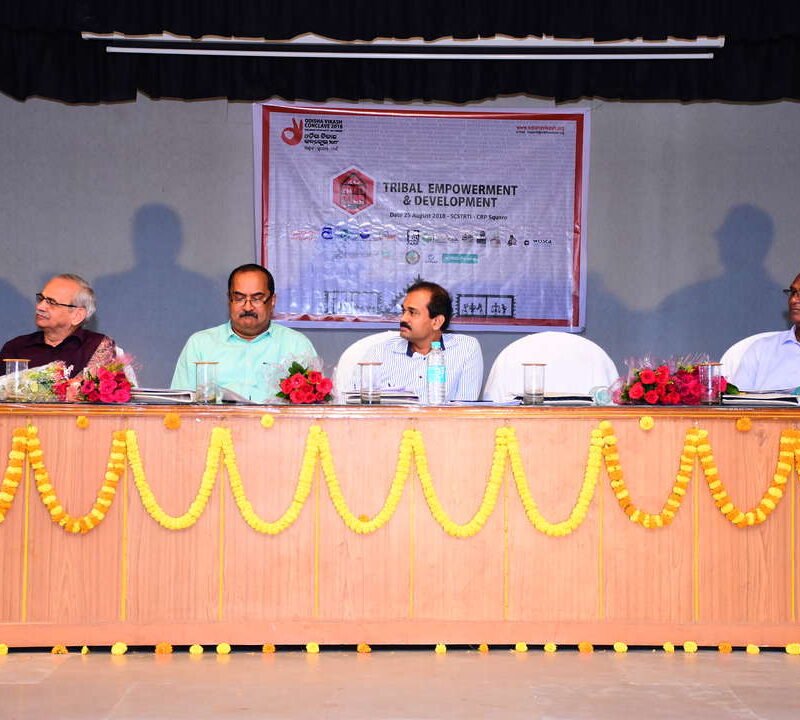
Tribal Empowerment & Development
The UN General Assembly resolution that created 2030 Agenda of Sustainable Development Goals refers to indigenous peoples 6 times in its political declaration, in targets, and in calling for indigenous people’s participation in policy development and its periodic review. The Constitution of India also obliges the Government to improve the socio-economic condition of Scheduled Tribes (STs) through provisions under Fundamental Rights, Directive Principles of State Policy, and Schedules V and VI. Despite these international and national commitments, unrest is growing among tribal communities over alienation from lands, forests, and related resources and impoverishment. Among various demographic groups in India, STs have the lowest Human Development Index (HDI) while also suffering severe geographical and cultural exclusion, dimensions not captured in HDI.
Highlights
- How can PESA be effectively implemented in Odisha’s Scheduled areas to ensure participatory governance by tribal communities? Can the Governor’s office play a positive role?
Issues and Challenges
- As per the Odisha Tribal Advisory Council (TAC) amendment Rules of 1999, TAC meeting is to be held at least once a year. Last TAC meeting was held in 2015.
Way Forward and Recommendation
- There is a need to emphasize on the governance, as governance is the foundation for Tribal Development.
Recommendations from pre-conclave caucus
- Land rights of PwDs under FRA (land rights) as they are vulnerable.
”Allocation of funds should be proportionate as per tribal population divided. The proportion of funds for tribal development should not be universal for all.
Mr. Achyut DasDirector of Agragamee, Odisha

Towards a Resilient Odisha : Disaster & Climate Change Action
Climate change which invariably results in disasters is no longer a matter of conjecture. It is almost certain that there will be more droughts, floods, storms and cyclones. In any case, disasters, both natural and manmade, disproportionately affect certain geographical regions and have a greater impact on the marginalized demographic groups. On both counts, Odisha is particularly vulnerable to the impacts of climate change and various kinds of disasters.
Highlights
- What can be done to make disaster preparedness and responsiveness more participatory? How can local community’s skills and knowledge be better utilised in this process?
Issues and Challenges
- Disaster risks are not considered seriously in the mainstream development programmes or actions. Huge flooding and inundation in a vast area even with insignificant rainfall in Bhubaneswar under a flyover is an example.
Way Forward and Recommendation
Risk informed development
- Community led risk informed development planning to be initiated. Community based sectoral approach on Risk & Resilience, in managing the largest rural urban transitions.
Concluding Remarks
- Communities should be given priority in all phases of disaster: Preparedness, Prevention, Risk reduction, Mitigation, Response, Rehabilitation and Recovery. There should be a community-led, community-owned and community-monitored processes.
”Learning and understanding the ‘How’ and ‘why’ of disaster are very important. Unless we learn how and why disasters arehappening, we will not be able to
Prof. Vinod SharmaExecutive Vice Chairman of Sikkim State Disaster Management Authority
mitigate them properly.
”Odisha faced a huge cyclone in 1999. But even after that many hotels have come in CRZ area along Puri-Konark coast. This means, we have not learnt yet.
Dr. A K GuptaJoint Director, MoEF & Climate Change, Government of India
”Had there been a decent early warning system in Kerala, 12 lakh people would not have been in relief camps and so much casualties and destruction would not have happened.
Prof. Vinod Menonone of the founders of National Disaster Management Authority, Neiu Delhi
”In the last 25 years, the rainy days have reduced to 49.5 days in a year leading to high chances of high intensity rainfall within short span, long periods of dry days and serious droughts.
Dr. Kamal Lochan MishraAdditional Secretary, Dept, of Water Resources, Gout, of Odisha

Food & Nutrition Security
Odisha as we know continues to be one of the poorest states in the country; in spite our country celebrating economic growth and development on one side, an unprecedented number of children do not seem to have made any significant growth and development. Odisha has one of the highest infant and maternal and Under 5 mortality rates in India. Stunting, anaemia and other micronutrient deficiencies inhibit productivity, proper cognitive development and health outcomes. Zero hunger and good nutrition has the power to transform and empower the present and future generations. Proper Policy implementations, adequate Institutional setup, strong Monitoring mechanism are some of the biggest challenges which need to be strengthened first. Government programmes & policies must reach out to every such vulnerable
Highlights
- Articulation of a road map for addressing the food and nutrition security to achieve the Sustainable Development Goals.
Issues and Challenges
- Chronic malnutrition during the formative age of growth and development in early life leads to under developed brain, diminished mental ability and learning capacity, increased risk of diabetes, hypertension and obesity in later life.
Way Forward and Recommendation
Just and Equitable Governance,
Increasing Access, Transparency and Accountability addressing Equity
- Odisha State Food and Nutrition Security Rules (under NFSA 2013): It must be notified forthwith in order to ensure better access to safe and nutritious foods by the eligible families under the Integrated Child Development Scheme (ICDS), Mid-Day Meal (MDM) and Targeted Public Distribution System (TPDS).
Gender and Empowerment
- Nutrition in livelihood interventions: Integrating nutrition in women empowerment agenda through community-based platforms.
”India has not achieved a dramatic progress yet in the food and nutrition security.
Mr. Shawn K. BakerDirector, Nutrition, Global Development, Bill and Melinda Gates Foundation
So Focus should be on Anganwadi Centres, which is a powerful stakeholder to ensure nutrition and even SHGs can play a major role by adding additional intervention to combat malnutrition in India.
”Odisha needs a Nutrition Resource Centre and Nutrition Champions to work on the issue. There is also need for collaboration of different stake holders to fight together against malnutrition, especially in the tribal regions of the state.
Shri Basanta Kumar KarDirector- Project Concern International (PCI) India

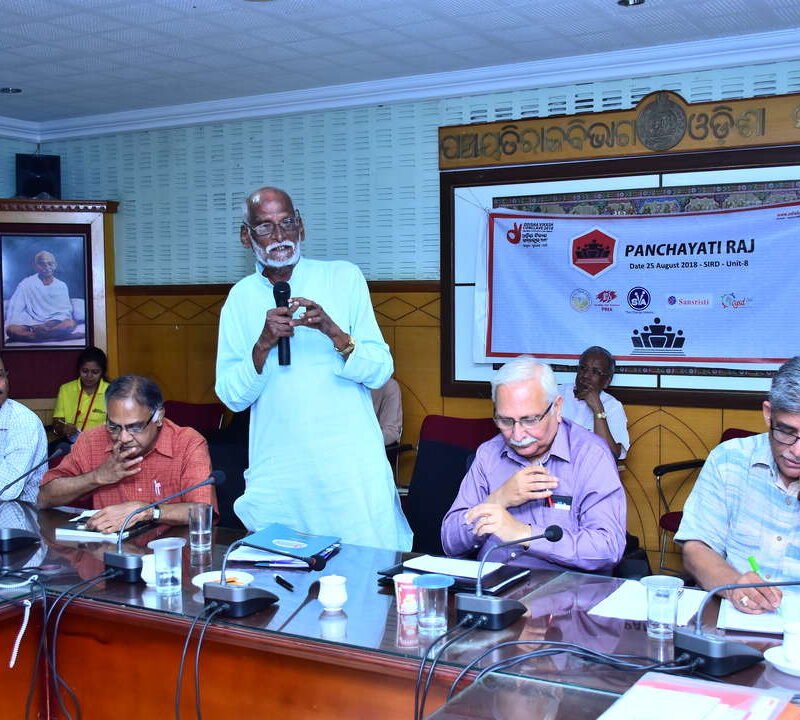
Panchayati Raj @ 25 years
Despite a long historical and social legacy in India, the modern Panchayati Raj Institutions (PRIs) created by the 73rd Constitutional Amendment Act, 1992 have not been able to make a dent. The Act was further strengthened by providing centrality to Panchayats in Mahatma Gandhi National Rural Employment Guarantee Act, 2005 and the Forest Rights Act, 2006. With nearly three million elected representatives, of whom about 1.4 million are women and a million scheduled castes and tribals, Panchayats have ensured visible participation of the hitherto marginalized social groups in grassroots governance.
Highlights
- How to strengthen the Gram Sabha so that it can have more decisive powers regarding the development agenda at the local level?
Issues and Challenges
- Crores of rupees are now flowing to PRIs due to the recommendations of both the Central and State Finance Commissions, but the common people still do not get to plan for themselves.
Way Forward and Recommendation
- Union and State government agencies should take steps to organize a large number of trainings for the villagers (voters) on PRI so that they actively participate in the Gram Sabha. Also, there should be more number of trainings organised for elected PRI members and particularly for the women, SCs and STs. Currently they attend not more than 3-4 days trainings during their tenure.
Recommendations from pre-conclave caucus
- There is a need to make participation of PwDs in Gram Sabha & Palli Sabha mandatory.
”What was envisioned is not yet achieved, and there’s a need to rebuild these PRIs with adequate funds, clear functions, and better skilled functionaries in order to realise the Gram Swaraj, which Mahatma Gandhi had dreamt of.This is the time to make it a people's programme rather than the Government's programme.
Dr SS Meenakshi SundaramIAS (Retd.), Former member of the Drafting Committee of the 73rd Constitutional Amendment Chairman, Myrada, Bangalore

Democratizing Urban Governance
Cities as aspirational places of prosperity are likely to turn 60 % people into urban dwellers by 2030. While cities can offer opportunities to advance economic and social well being, achieving this depends on an urban policy that provides decent employment and lifestyle to the citizens. At a time when rapid urbanisation is leading to congestion, lack of basic services, housing shortfalls, and deteriorating infrastructure, addressing these issues becomes critical for developing countries, where UN says 95 % urban expansion will take place in coming decades. Thus, urban governance needs to be in sync with UN’s 2015 Sustainable Development Goal 11 (that calls for inclusive, safe, resilient, and sustainable cities) as well as with its 2016 New Urban Agenda (that centres on ending poverty in all forms and dimensions to ensure inclusive cities).
Highlights
- How can participatory governance of ULBs in Odisha be strengthened to ensure sustainable cities?
Issues and Challenges
Urban Planning
- As per the 74th Amendment, decentralized planning is an important aspect of urban governance. But the urban citizens of Odisha neither enjoy the said rights nor is their participation ensured. How to strengthen people’s participation in city planning and Strengthen Urban local Governance as per the 74th Amendment and make it accountable to people and guarantee sustainable urban growth?
Way Forward and Recommendation
Urban Planning
- Effective implementation of the 74th Constitutional Amendment Act: The Municipal Government should be empowered. With the increase in the Urban Local Bodies since 1971 it is estimated that phased devolution of autonomy (i.e. fiscal, decision making, planning, functions etc.) to Urban Local Bodies is a key essential requirement for ensuring sustainable decentralization through participatory governance. Citizen’s engagement in urban governance should start at the Ward Sabha level -for e.g. planning should be localized. Decentralized planning should be encouraged. Planning needs involve multiple stakeholders. Independent planning authorities should be set up at the local level and Ward Sabha members should participate in the urban planning process. The key to participation is access to information and space (both universalized space as well as particularized spaces).
Recommendations from pre-conclave caucus
- Preferential allotment of land to PwDs as per Act.
”The space for people’s participation has not been created in the 74th amendment when compared to the Panchayati Raj Act which is much more vibrant in that aspect. ‘Moholla Sabha’ is a potential tool that the government could use for programme implementation, which could be led by people’s participation and completed with their support.
Shri Rajendra BhiseUrbanisation Expert, YUVA, Mumbai
”In order to ensure participatory democracy in the urban sector, the ULBs should involve its citizens in the discourse on urban development and also in implementation of urban welfare schemes.
Dr. Kaustuv Kanti BandyopadhyayDirector, PRIA, New Delhi

Social Exclusion and Inequality
Social exclusion is the process in which certain social groups or individuals are denied full access to the various rights, opportunities, and resources that are available to the mainstream society. This is further exacerbated by growing economic inequality, which threatens social cohesion and inclusive growth. Hence, what is needed is a rights-based approach that focuses on basic equality and capabilities, to attain social justice and sustainable development.
Highlights
- What steps are necessary to address the systemic constraints (social, economic, and political) that currently undermine the social inclusion of identified marginalized groups in Odisha? What policy mechanisms and institutional resources can effectively address the impact of systemic constraints?
Issues and Challenges
General
- Poverty of freedom: Appreiciating the reports published by OXFAM and referring to them as reports presenting unbiased, research based perspective to understand the society, worldwide, Mr. Ambika Nanda talked about the concept of poverty of freedom. He mentioned one such report on Education that termed children being ‘Pushed out of school’ involuntarily rather than ‘School Dropouts’, voluntarily. He referred to violence against women and children, as undermined every day disasters in comparisons to the large disasters the state experiences and pointed towards the need to work against patriarchy in order to address such poverty of freedom.
Action Plan for the Civil Society
Persons with Disabilities
- Universal accessibility under AIC, based on harmonised guidelines of Gol with focus at district level.
Key Takeaways
- Sensitization at government level is the first step to ensure participation of the PwDs, Dalits, Transgenders and other marginalised groups in all decisions related to them. Their participation in convergence meetings of all govt, departments at the Secretarial as well as Ministerial level would be important to address their various issues.

University Community Linkage
Odisha faces the irony of economic growth with declining Human Development Index (HDI) ranking, raising doubts about its ability to achieve ‘sustainable’ development. The round table on University-Community Linkage (U-CL) thematic was a part of the agenda to create opportunities for meaningful collaboration and synergy building among the Government, Civil society organizations, corporate houses, Higher Education and research institutions etc to collectively agree upon a common agenda to strategically overcome those challenges. This backdrop makes the role of Higher Education Institutions (HEI) critical as they have twin responsibilities; (i) of identifying solutions to contemporary social challenges; and (ii) of nurturing engaged citizens who can respond to these challenges in future. This social responsibility of HEIs has been endorsed by UNESCO through its 2009 Paris Conference Communique and by Ministry of Human Resources Development (MHRD)’s Policy on Establishment of World Class Institutions and its Unnat Bharat Abhiyaan 2.0 programme.
Highlights
- How can the higher education sector contribute to Odisha’s sustainable development?
Issues and Challenges
- Reciprocity in approach: According to Prof. Ashok Kumar Das, while the U-CL agenda needs to be driven by Universities with a sense of philanthropy, the linkage should not be a one-way road. U-CL needs to go beyond just teaching or impacting certain values to students. It should be engineered in such a way that it becomes a part of everyday university life. It needs to inculcate values among students in a way that helps them understand how their work impacts the lives in communities. An evidence of bad linkage between technological advancements and community can be seen in technology becoming an integral part in our lives with unequal access to the benefits arising out the technological advancements.
Way Forward and Recommendation
- Sensitization of University Leadership – University Leadership should work towards maximizing the potential of U-CL and find ways to reward and qualitatively assess the various contributions that faculty and students make towards community engagement.
Recommendations from pre-conclave caucus
- Utilisation of huge campuses of universities for community engagement.
”Real world requires more than just formal education degrees
Dr. Rajesh TandonUNESCO Co-chair on Community Based Research and Social Responsibility in Higher Education & President, PRIA
”Universities are the ideal institution to build citizens who are to be sensitive to the issues of their social surroundings.
Prof. Srikant MohapatraVice Chancellor, Odisha State Open University, Sambalpur

Green Skill &
Entrepreneurship Development
Odisha is primarily an agrarian economy where 60% of the population depend on agriculture and allied activities for their livelihood. As per Census 2011, about 84% of the 96.38 lakh households of Odisha live in rural areas. Over a period of decade (2001 to 2011), the number of agricultural labourers has increased (from 26.5% to 30%) and the number of cultivators has decreased (from 31.7% to 24.6%). Also, the data shows a marginal decline in total female workers engaged in agri and allied activities from 74% (54% agri-labourers and 20% cultivators) in 2001 to 71% in 2011 (58% agri-labourers and 13% cultivators). It is also a matter of concern that wages for workers in the primary sector, aged 15-34 years are 36% lower than the national average. 33% of the rural households in Odisha survive on less than INR 166 a day; 9% rural workers are unemployed and 4% do not have access to any income.
Highlights
- To reflect on the primary-green sector skill ecosystem and its contribution towards rural economy.
Issues and Challenges
- The little or no industry participation in the skill building initiative of the country is a huge concern. Of the 5 pillars of Skill India, 4 are led by the Government and the rest 1 by industry. This means that like education, skill development also tends to be supply driven rather than demand driven.
Way Forward and Recommendation
- It is important to develop interventions those aim at improving or enhancing the skills of youth. This will enable them to get sustainable jobs and help them in entrepreneurial promotions. It will also enhance their knowledge in preserving, restoring and ways of improving the environment. One of the major interventions must be to create entrepreneurship and skilling for primary sector green jobs – jobs that are attractive and generate good returns and restore ecosystems and biodiversity.
Key Policy Asks
- There has to be separate skill development policy for the primary sector to reach out to the rural mass so that focussed attention will be obtained for this sector.
”There’s a need to provide proper counselling and promote heritage driven skills based on the existing talents of the community.
Dr. Rina RoutrayVice Chairperson, MAA
”There is a need of value chain to be built around the primary sector to provide maximum benefit to the producer networks.
Shri Kirti Prasanna MishraCo-founder, Ecociate Consultants Pvt. Ltd

River Ecology
The intensifying impact of climate change, an increasing demand for water, and cumulative effect of various development activities in the drainage area of the river, especially mining and heavy industry, are posing serious threats to riverine ecosystems and inducing resource scarcity. When left unchecked due to lack of river water resource management, this situation can lead to conflicts.
Odisha too is not immune to this emerging challenge. This is evident from the State’s ongoing disputes with Chhattisgarh (over sharing of waters of Mahanadi River) and Andhra Pradesh (over the construction of a canal project on the Vansadhara River).
Highlights
- What are the institutional arrangements within Government of Odisha (GoO) to deal with the management of the State’s rivers and have they been able to oversee equitable and sustainable use of this resource? If not, what needs to be done to augment their capacity and ensure greater efficacy?
Issues and Challenges
- Strengthen primary healthcare by increasing budget allocations to at least 67% of the total healthcare budget, as the National Health Policy recommends.
Way Forward and Recommendation
- Formulate an Inclusive River Policy.
- Set-up a River Science Institute to promote research, advocacy and model formulation for an effective management of rivers. River science should be a part of education curriculum.
Recommendations from pre-conclave caucus
- Ensuring participation of PwDs in river basin/water management & river ecology management bodies at different level.
”Unpredicted precipitation, faster runoff and sand mining are major threats to river ecology. Now rivers are used as channels to dispose waste water and are not considered as rivers.
Dr. Sunil Kumar AmbastDirector, Indian Institute of Water Management, Odisha

Child Rights
The UNCRC legally makes it binding for the states to ensure that all children (below 18) freely enjoy their rights to survival, protection, participation, and development. Further, the Target 16.2 of Sustainable Development Goals (SDGs) calls for ending abuse, exploitation, trafficking and all forms of violence and torture against children. In this context, the Government of Odisha (GoO) has already created the post of a State Commissioner for Protection of Child Rights (SCPCR) in 2010. Yet, there is rampant violation of child rights and continuous abuse of children in the State. National Crime Records Bureau (NCRB) data reveals that, the State has a 4th position in sexual crimes against children. According to NFHS-4, over 1 in 5 women get married before turning 18; 37 % of migrants in the State
Highlights
- What are the major impediments to the protection of child rights in Odisha?
Issues and Challenges
- The 2015 Juvenile Justice Act explicitly mentions that, a child in conflict with the law is needed to undergo a psychological assessment to evaluate the reformative changes that the child has undergone. This must be carried out by DCPU or the probation officer. How effective would the assessment be, if not done by a psychologist/counsellor?
Way Forward and Recommendation
In order to have a protective environment that promotes child wellbeing at home
- Children are to be equipped with knowledge, attitudes and skills for better communication and interaction with parents or care takers to realize their rights at home.
For children with special needs from pre-conclave caucus
- Anganwadi centers to be made child friendly or Disability friendly as disabled children are hardly able to visit the centres, the provisions are mostly restricted to meals. Pre- School education facilities to be strengthened for all children, including disabled children. Availability of teaching and learning materials for disabled children, at Anganwadis are essential.
”As per National Child Protection Commission mandate, children should live with dignity, safety and security in all places including schools and other community institutions. There is a need to design workshops at every level to discuss on the rights and protection issues.
Dr. Laxmidhar MishraFormer Union Secrretary, Labour, Govt, of India
”The OSCPCR has special attention on promoting safe and secure environment for protection of children. Mechanisms are in place in every district in Odisha, but we need to make the systems more child friendly and child protection committees need to be made functional.
Ms. Kasturi MohapatraFormer Chairperson, OSCPCR
Corporate Sector in Localizing SDGs
The Government of India has mandated the Private Corporations to spend a stipulated part of their profit on development of their areas of operation by Section 135 of the Companies Act. While India became the first country to make such provisions for companies to make social investments under CSR, Odisha was recognised as the state which released the country’s first white paper on CSR in 2016. Odisha is the bellwether of CSR (Corporate Social Responsibility) partnership in state growth. Odisha Vikash Conclave is a platform to lend continuity to the CSR discourse in the state resulting in aggregating stakeholders’ standpoints, ground preparation for data-centric briefs for advocacies and creating a platform for a policy and mechanism blueprint for Odisha.
Highlights
- What mechanisms exist at different levels – state and sub-state levels in Odisha to coordinate amongst and converge the social sector initiatives of the government, corporate groups, and CSOs?
Issues and Challenges
- If the significance of the condition of livelihood of the state is taken into consideration, it is commonly felt that agriculture has not been given the priority it deserves.
Way Forward and Recommendation
- Encouraging innovation to deal with the problems of climate change and frequent occurring of disasters in Odisha should be treated as a critical area by the corporate houses
Recommendations from pre-conclave caucus
- SSEPD to hold a specific consultation with corporate & civil society
Action Plan for the Civil Society
Panelist & Speakers











COLLABORATORS
















Reports & Factsheets
Introduction The Odisha Vikash Conclave (OVC) 2018 was formally inaugurated…
POLICY SITUATION IN ODISHA MGNREGA, Watershed Management Programmes and National…