OCCJTC
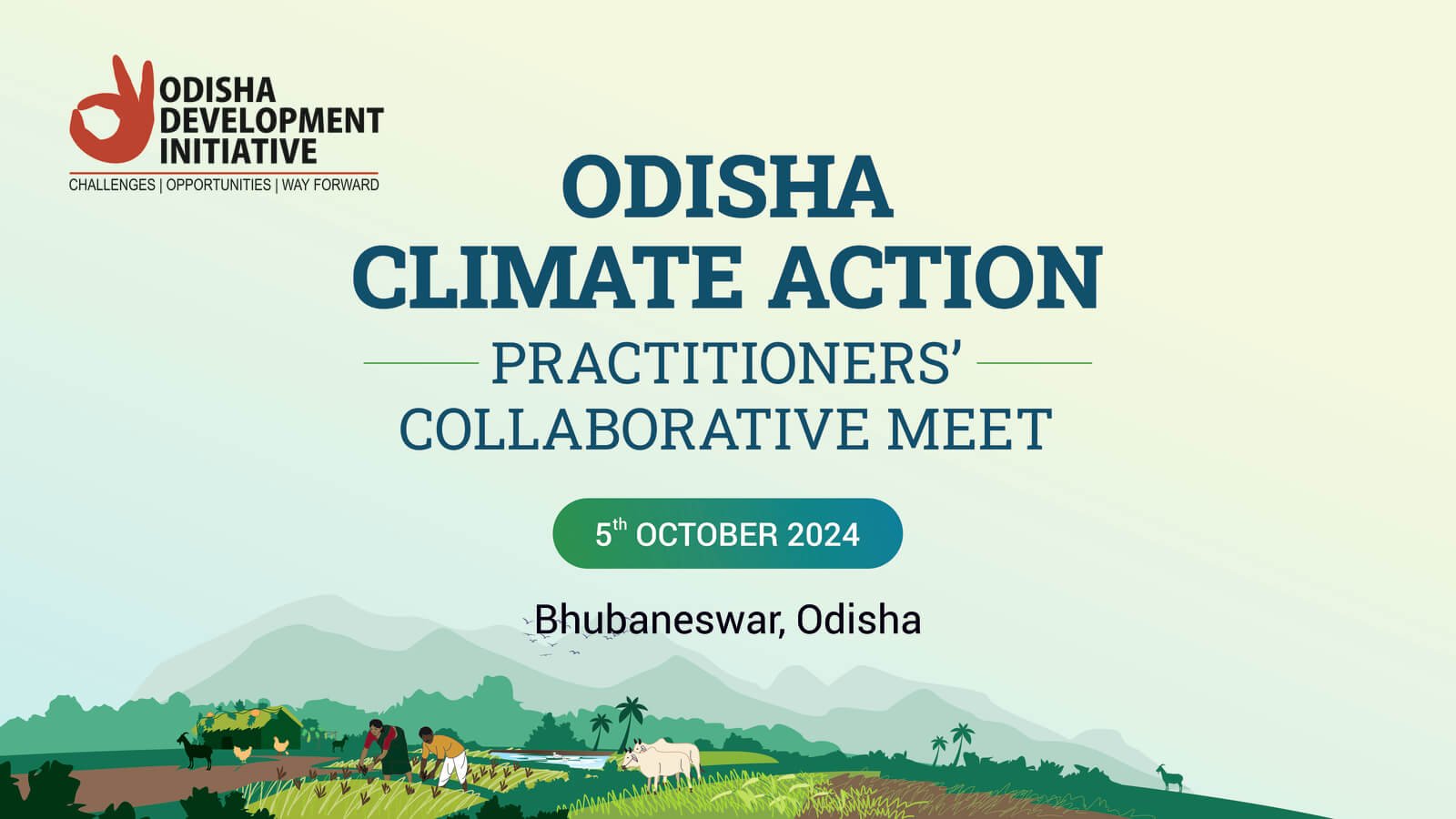
Setting the Context
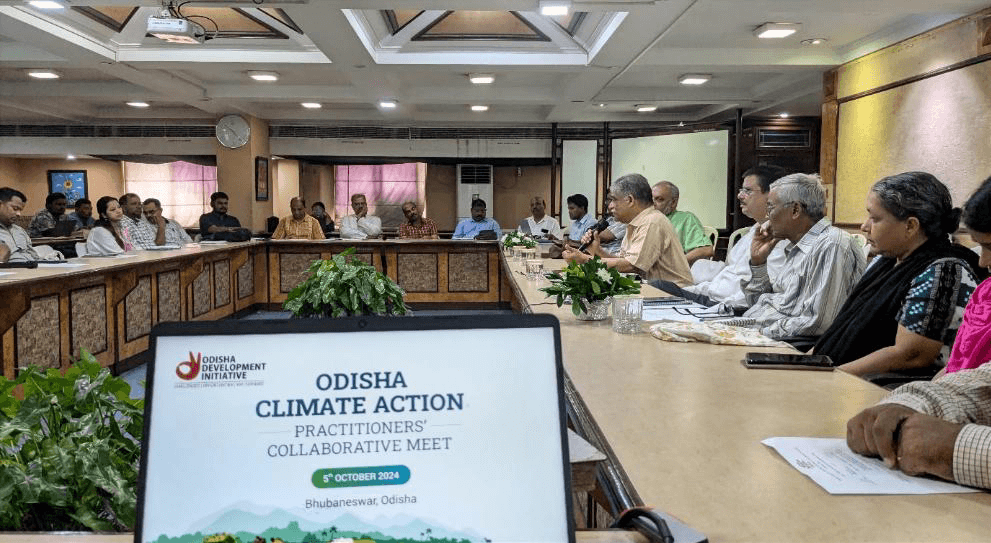
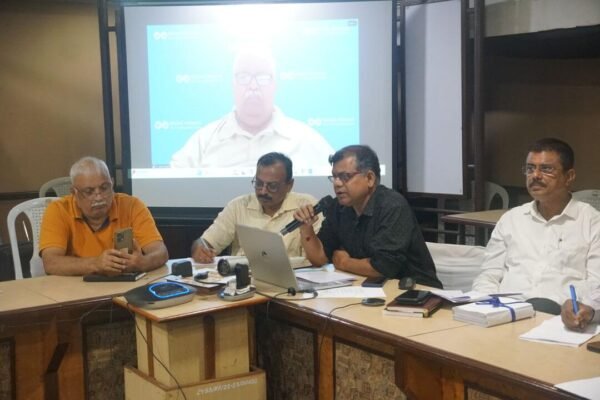
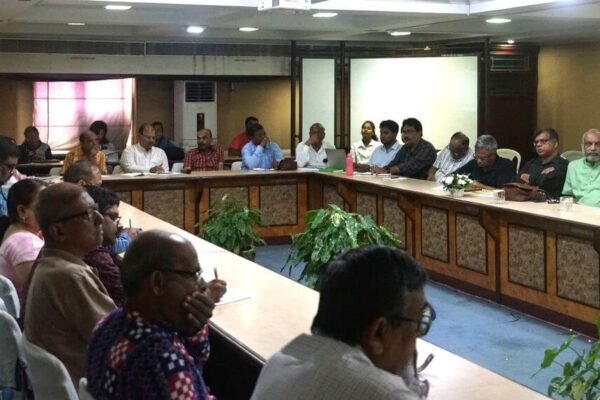
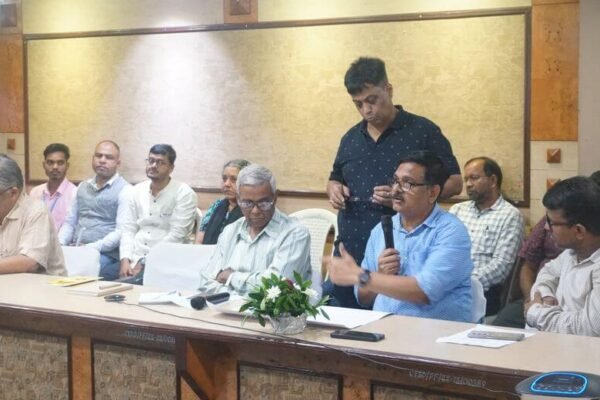
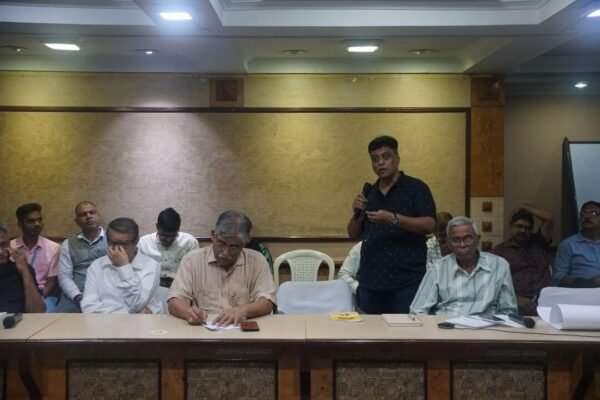
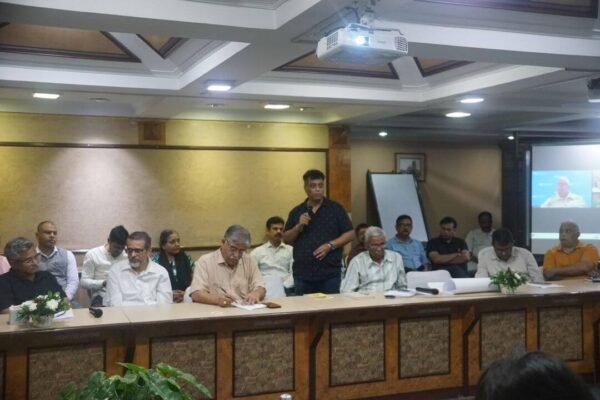
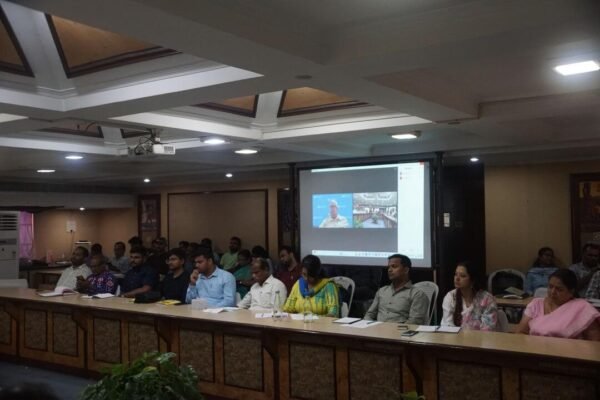
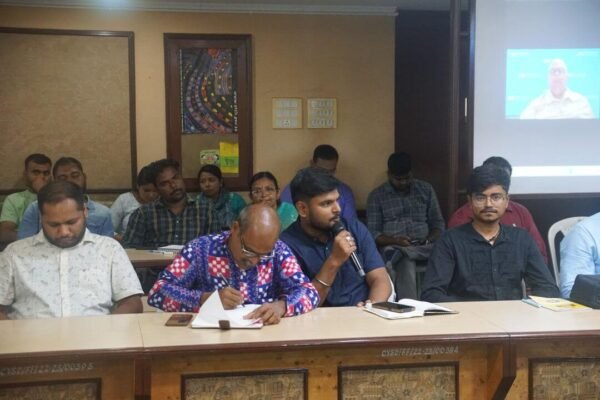
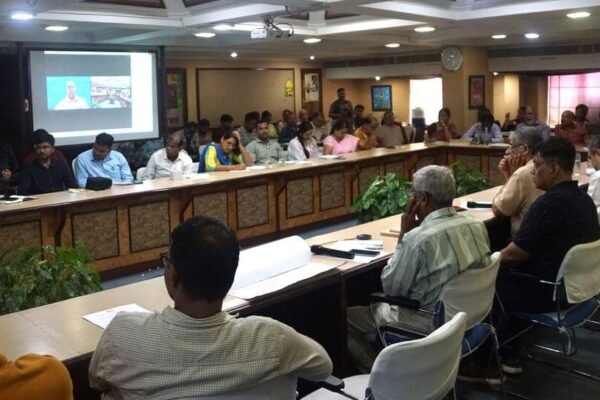
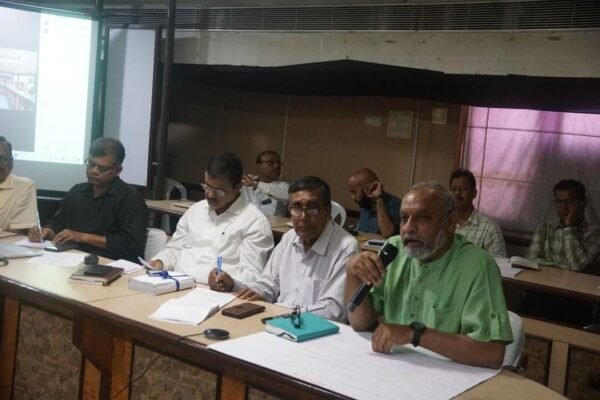
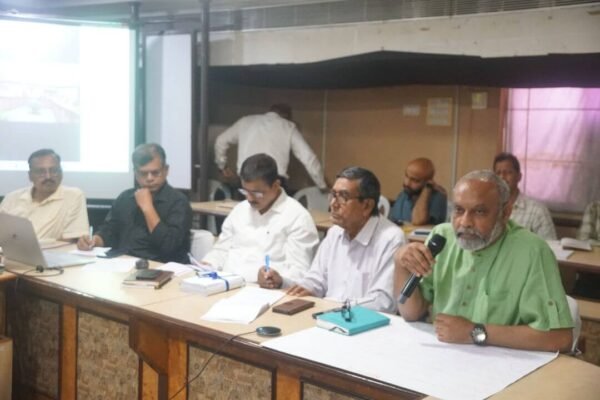
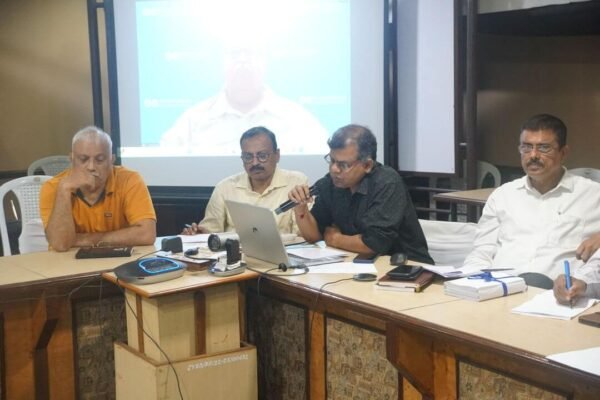
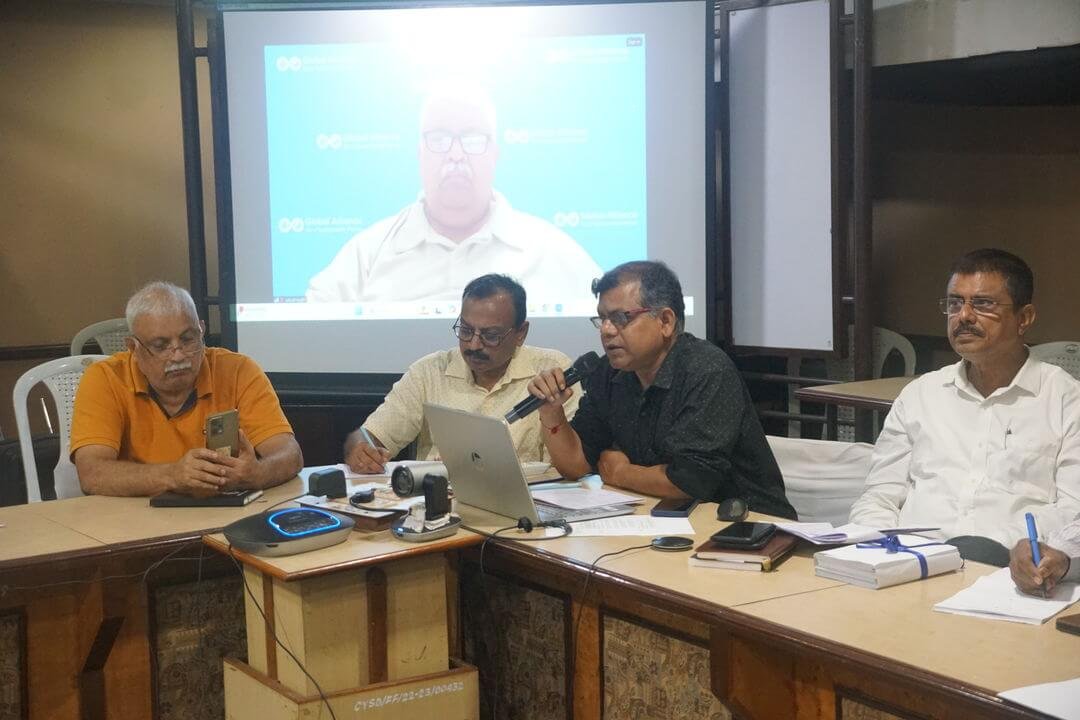
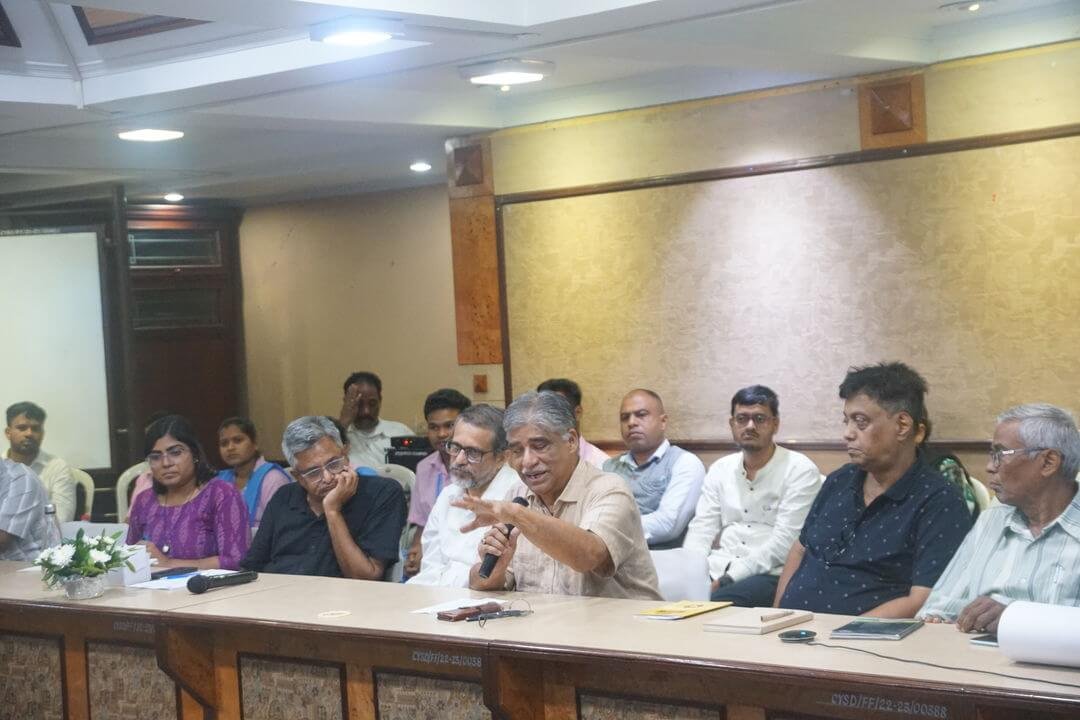
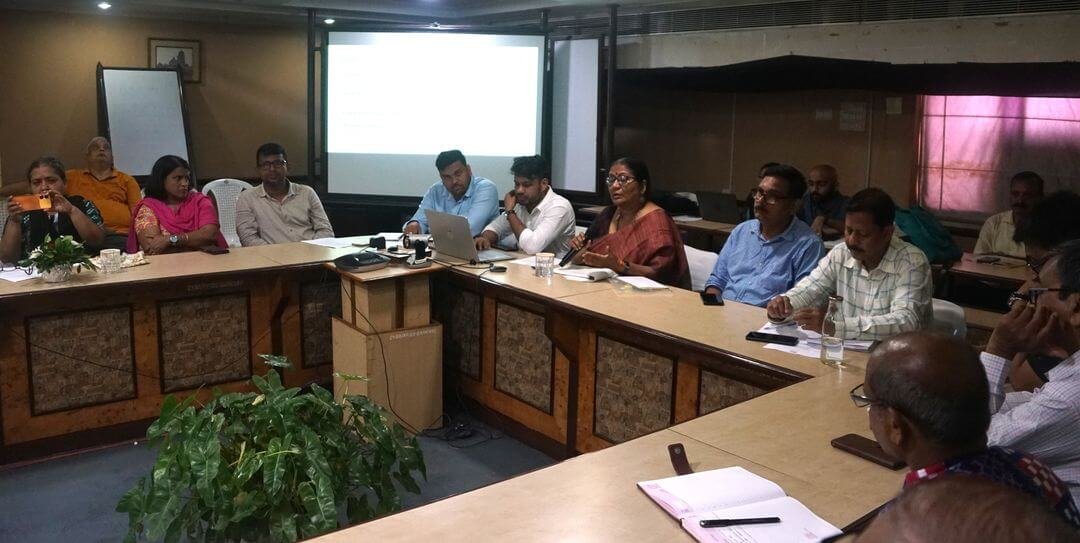
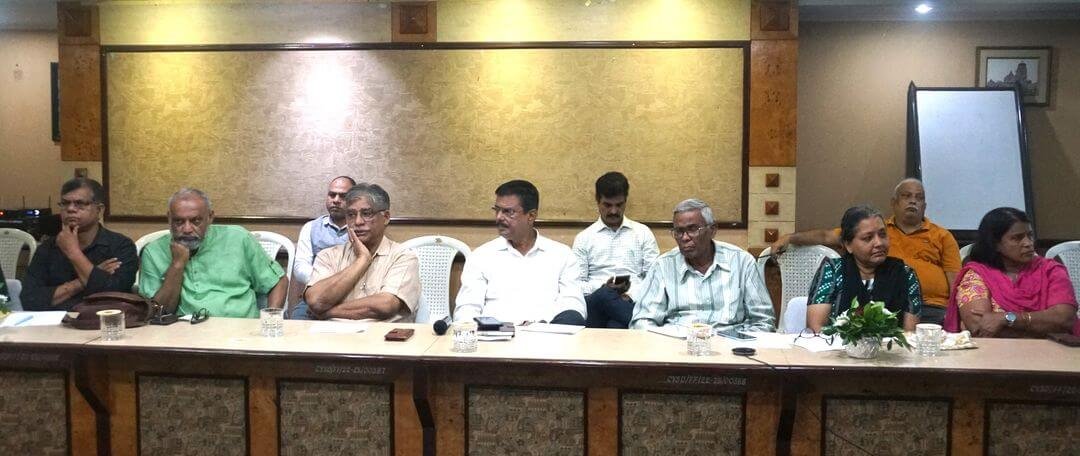
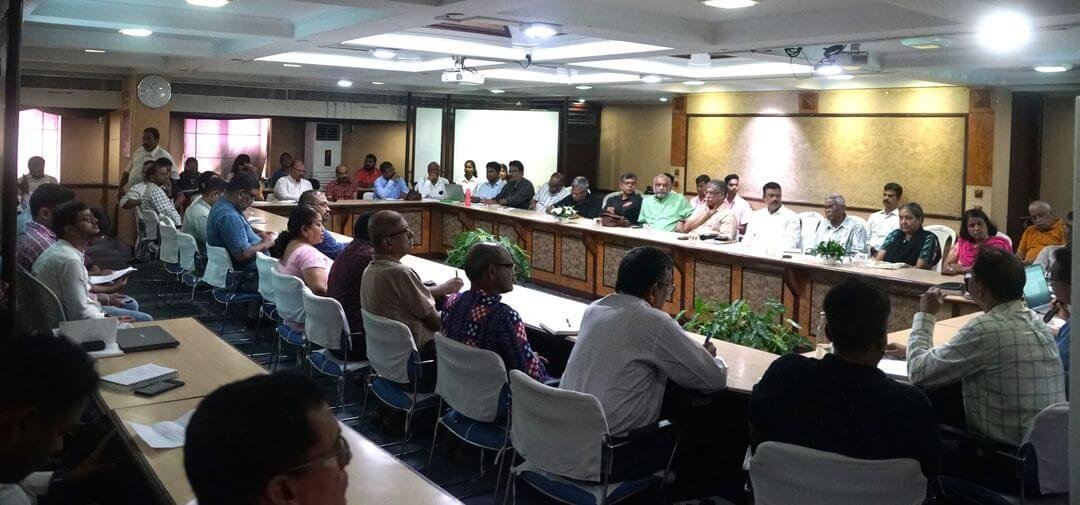
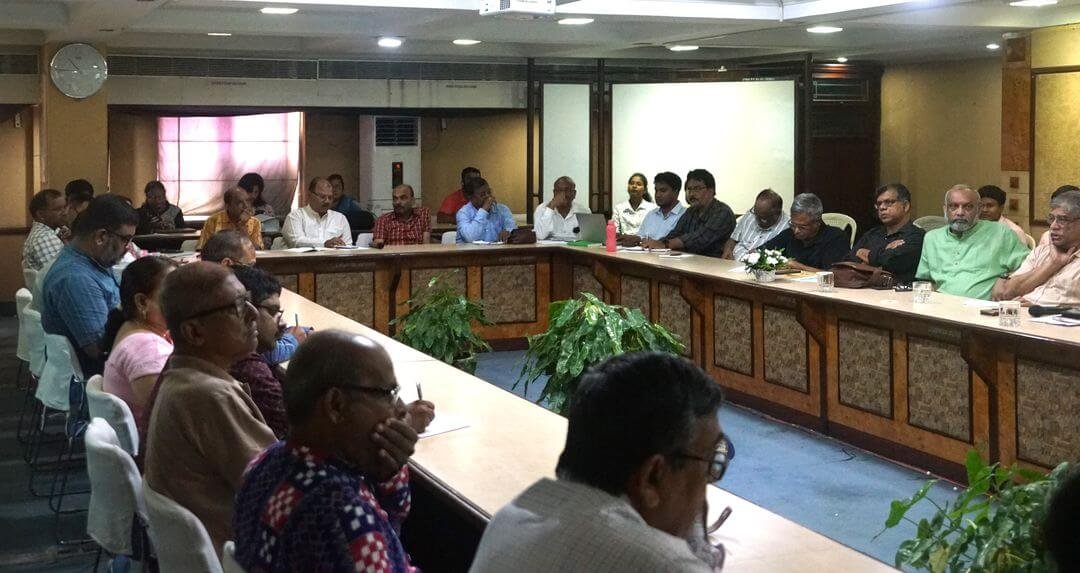
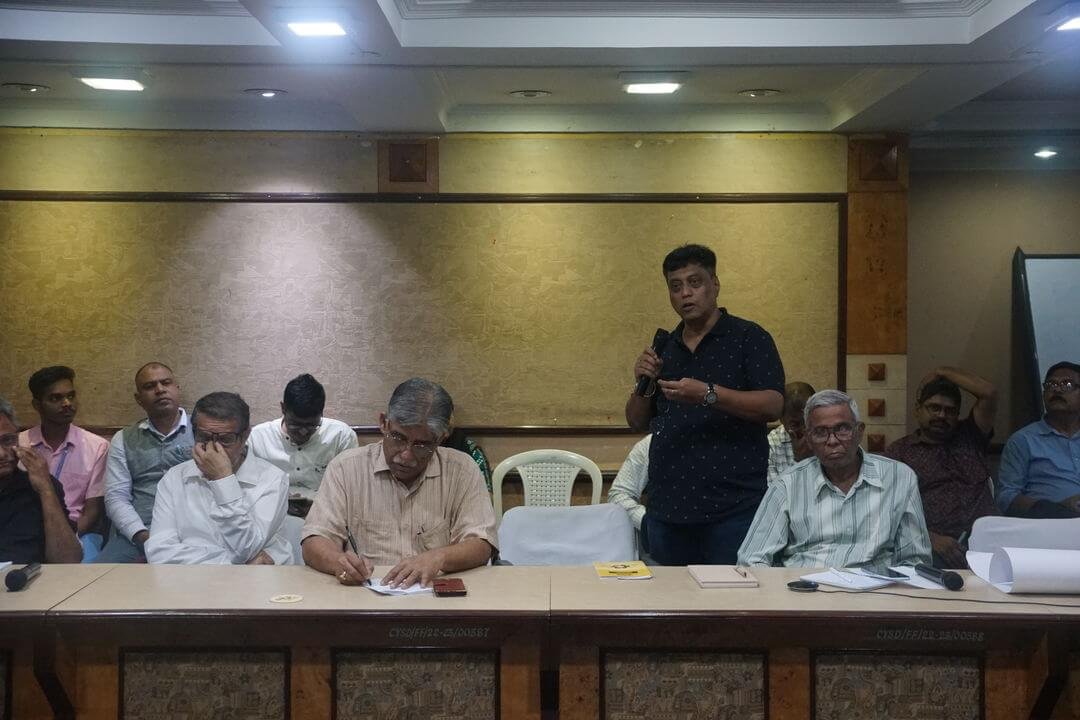
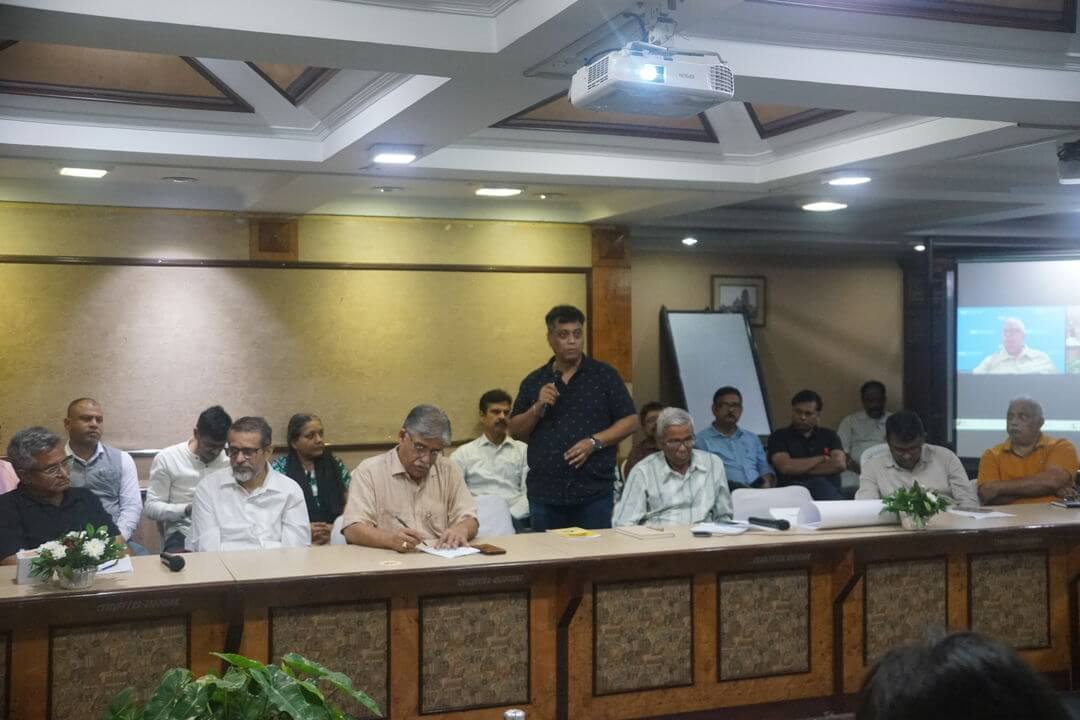
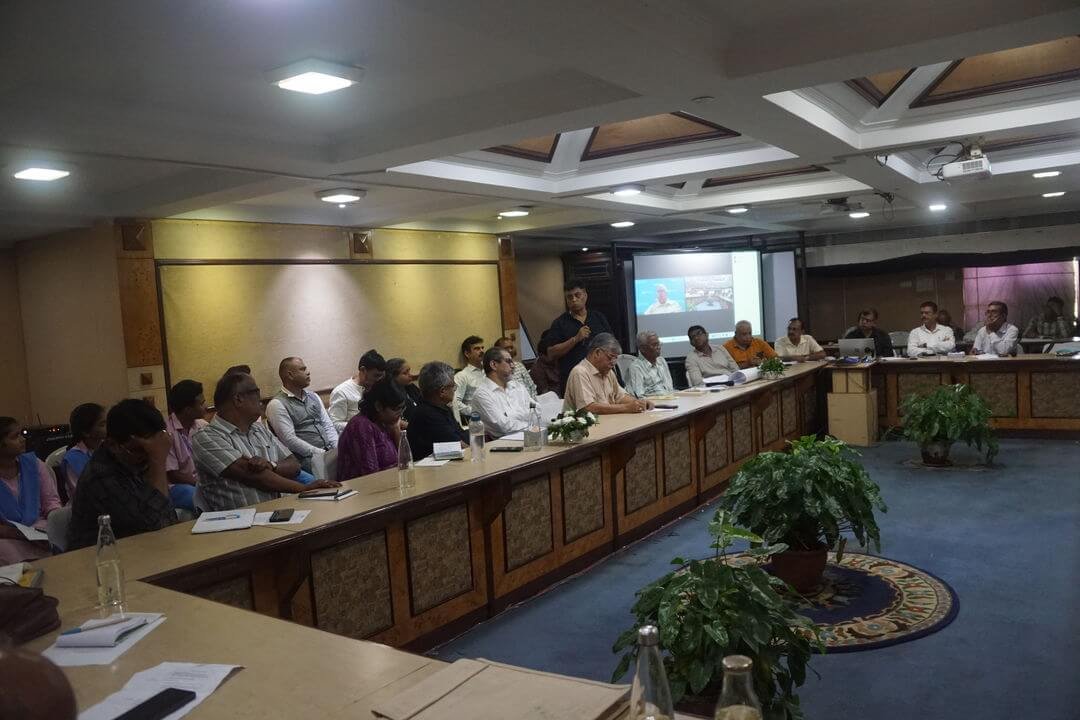
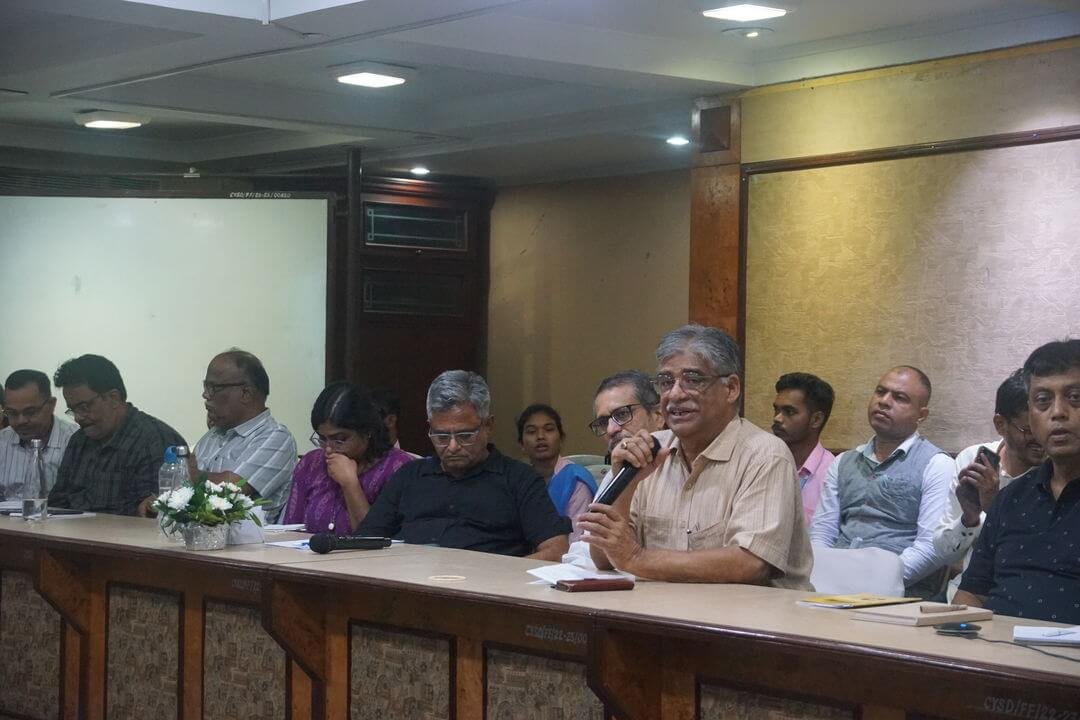
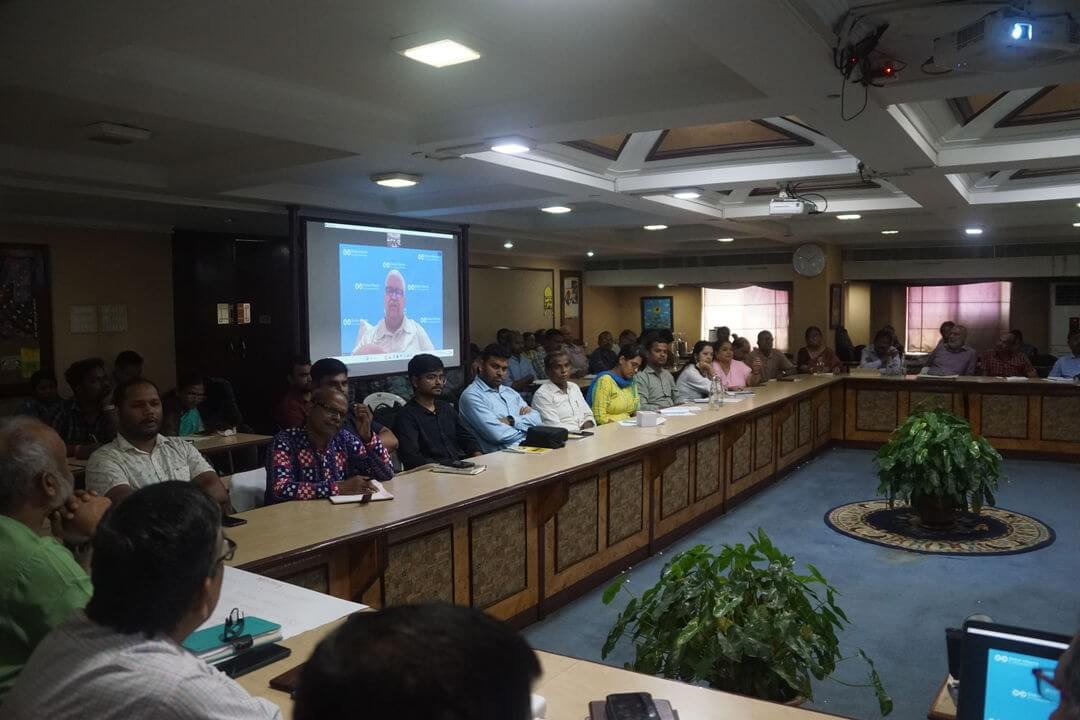
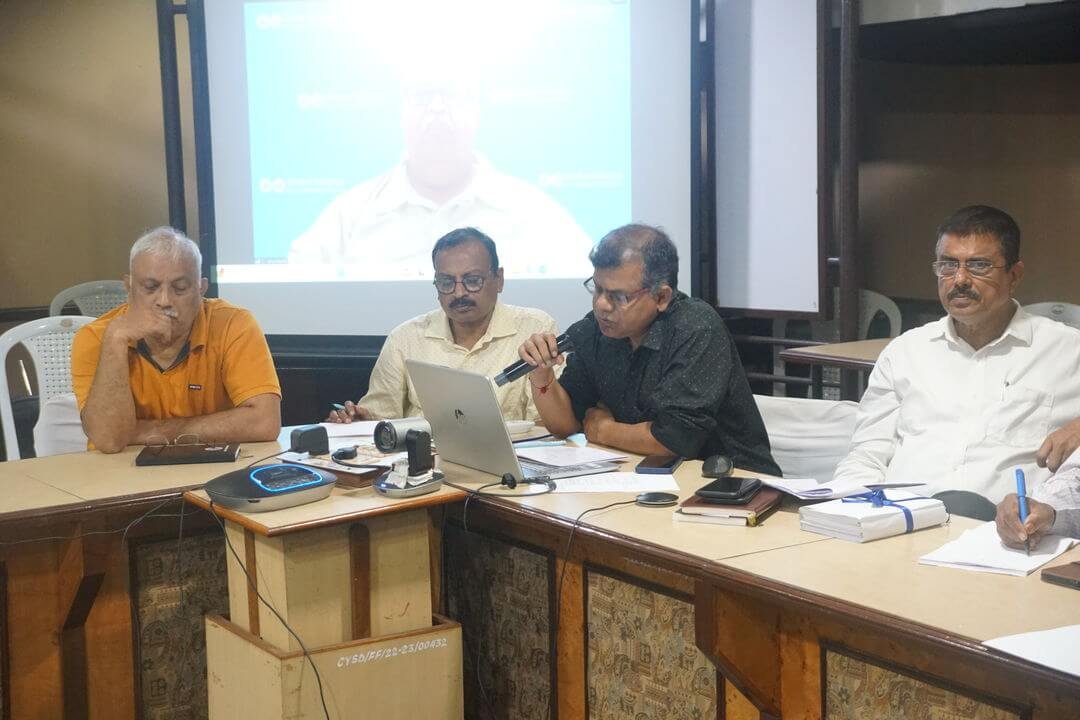
Shri Jagadananda (Convener, ODI) opened the session by highlighting the critical importance of climate action in Odisha. He stressed the need for collaboration among civil society organizations (CSOs) to tackle the state’s vulnerability to climate-related disasters and emphasized the significance of a unified, long-term approach to sustainability and resilience. He noted that this forum is a platform for practitioners, with each organization serving as a champion in its own right.
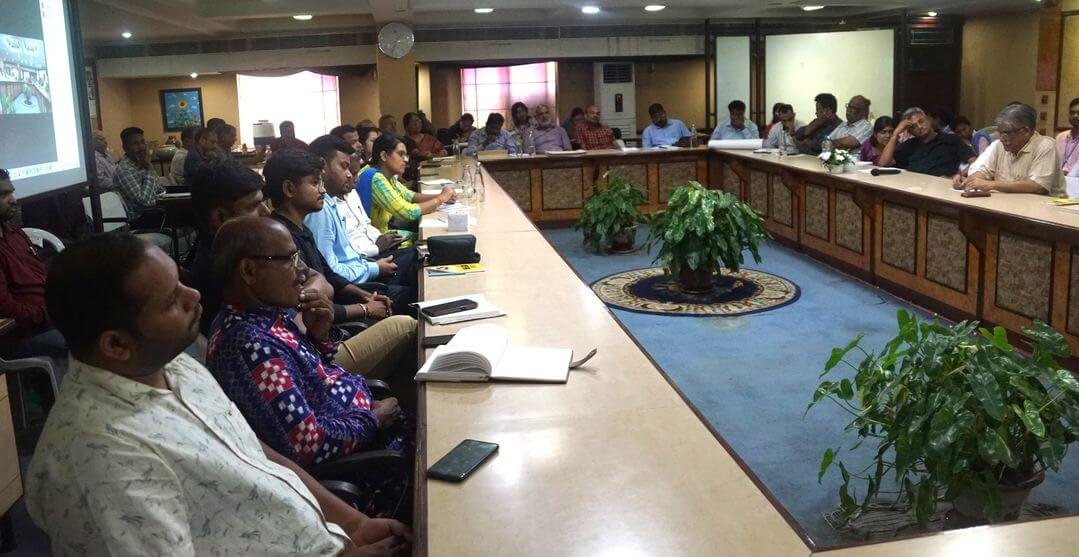
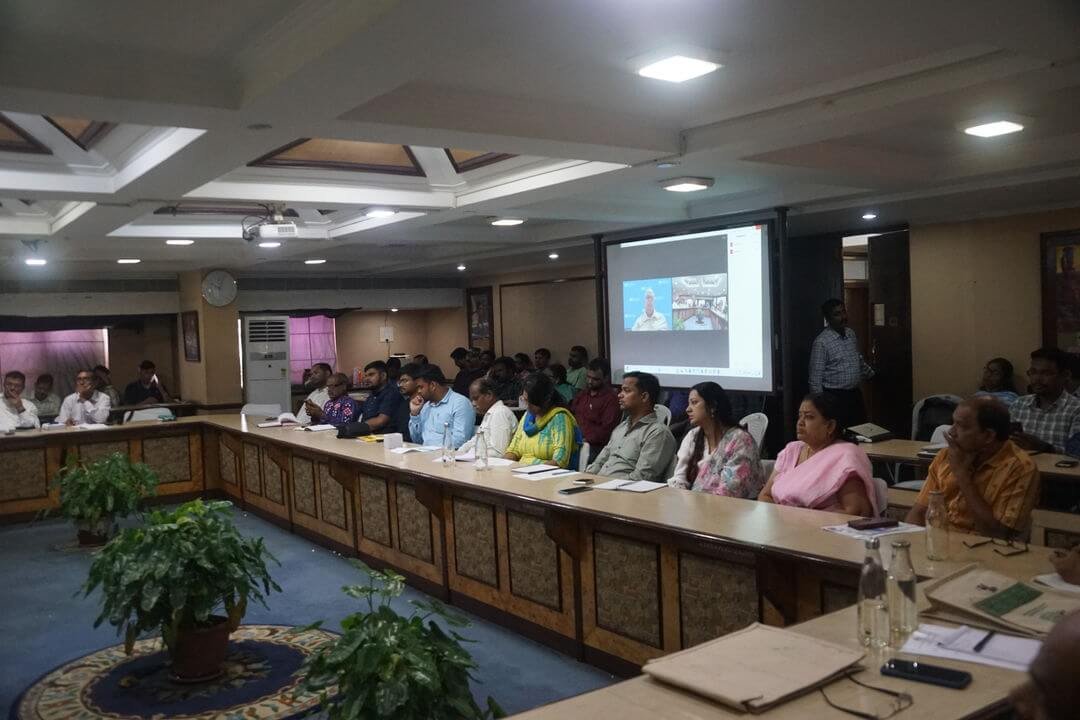
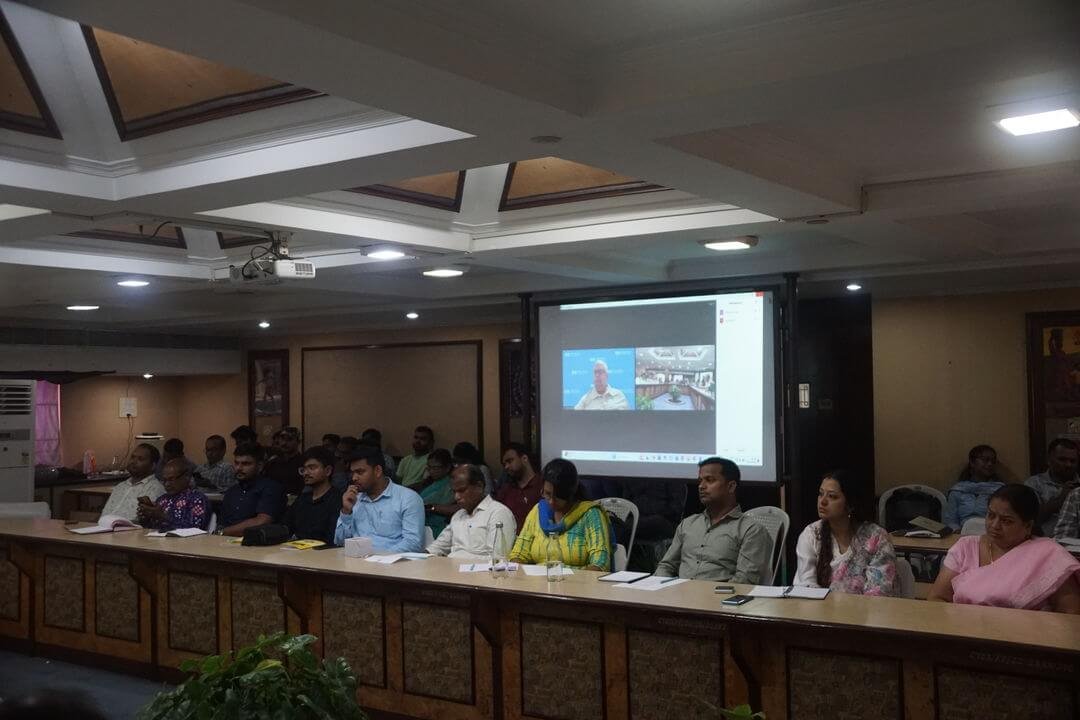
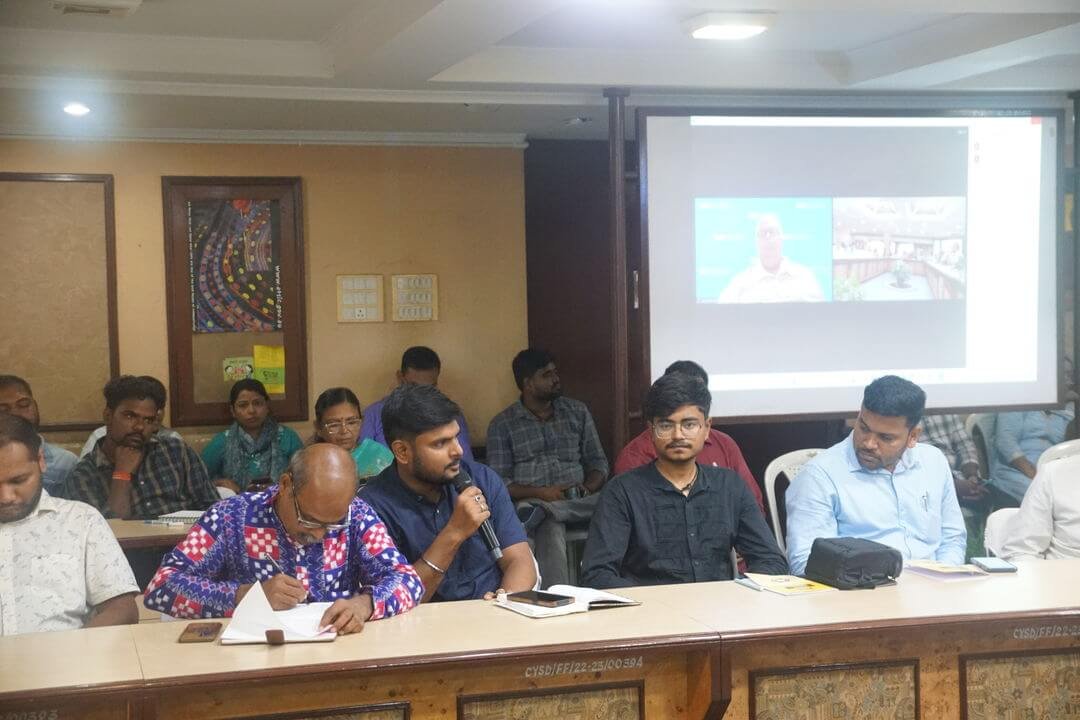
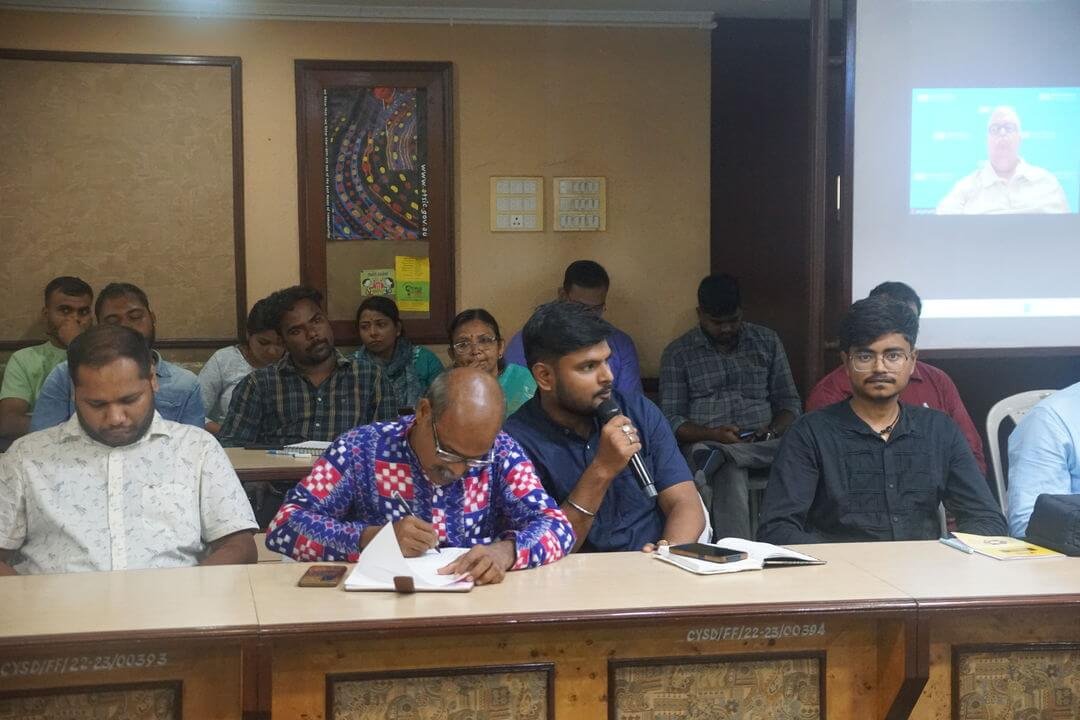
Dr. Suprava Patnaik (Programme Advisor, OCAPC) delivered a presentation titled “Odisha Climate Action Practitioners’ Collaborative: Key Insights and Strategic Approaches from CSOs.” She discussed the critical role of Civil Society Organizations (CSOs) in combating climate change, showcasing successful collaborative efforts in Odisha. This presentation drew on findings from a survey conducted with 13 practicing organizations, revealing their current engagement in climate action, strengths, challenges, expectations from the platform, and visions for the future.
Padma Shri Smt. Sabarmatee shared her experiences in promoting climate-resilient farming techniques to improve local livelihoods. She emphasized how sustainable agricultural practices can address both climate change and economic challenges for farmers in Odisha. She highlighted about the importance of the use and promotion of indigenous seeds. She explained that indigenous seeds are vital for biodiversity and climate resilience.
Breakout Sessions
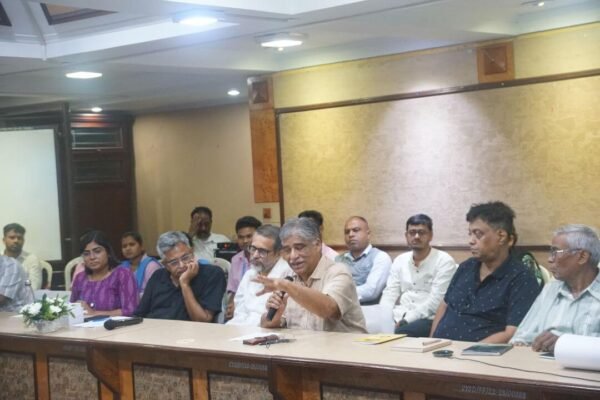
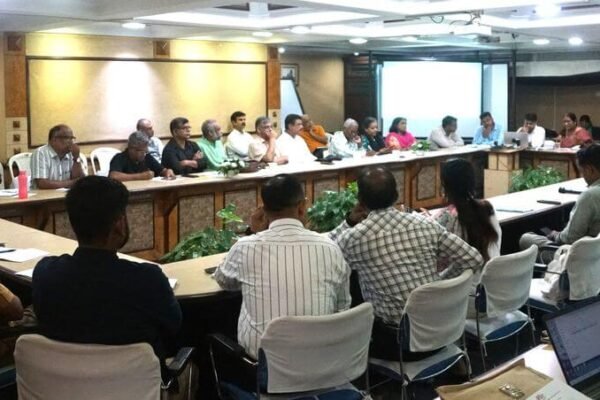
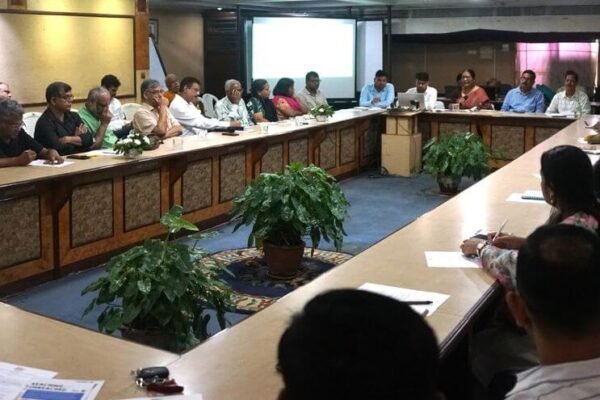
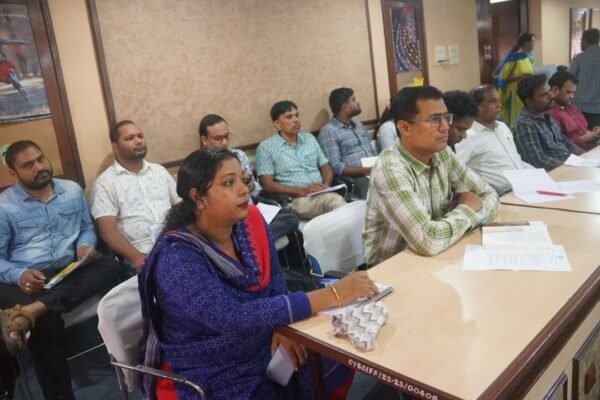
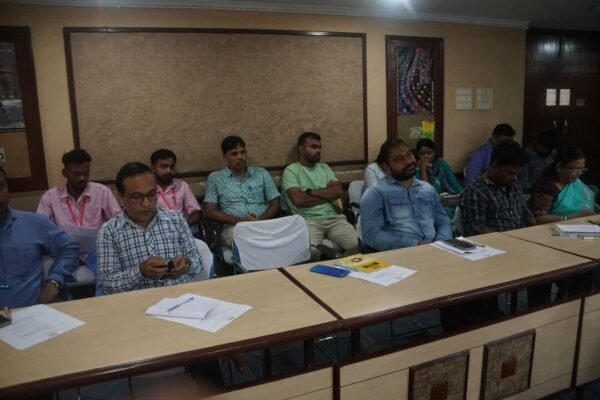
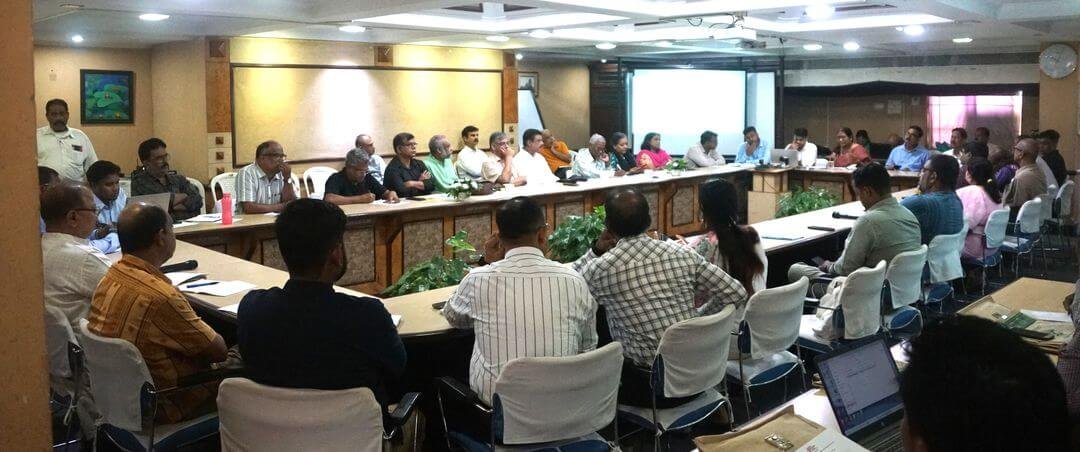
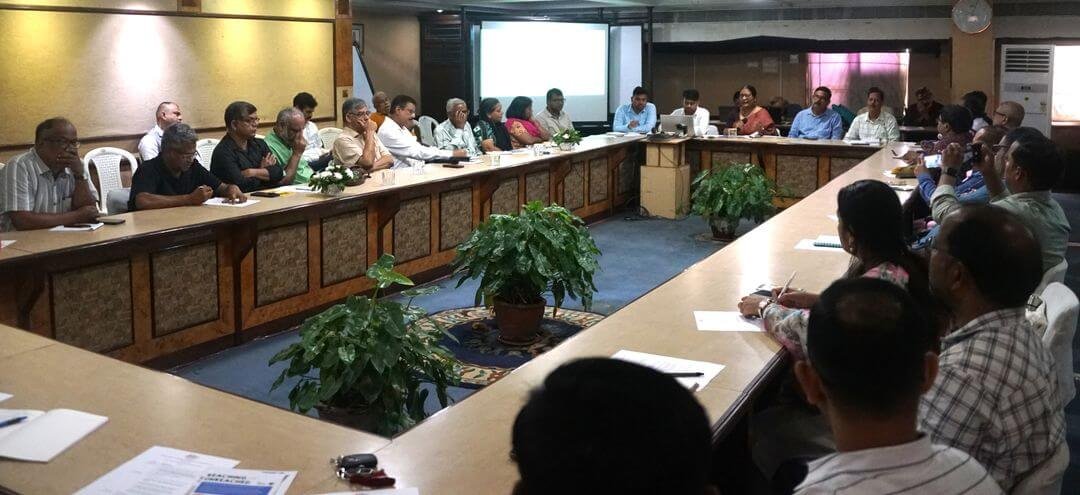
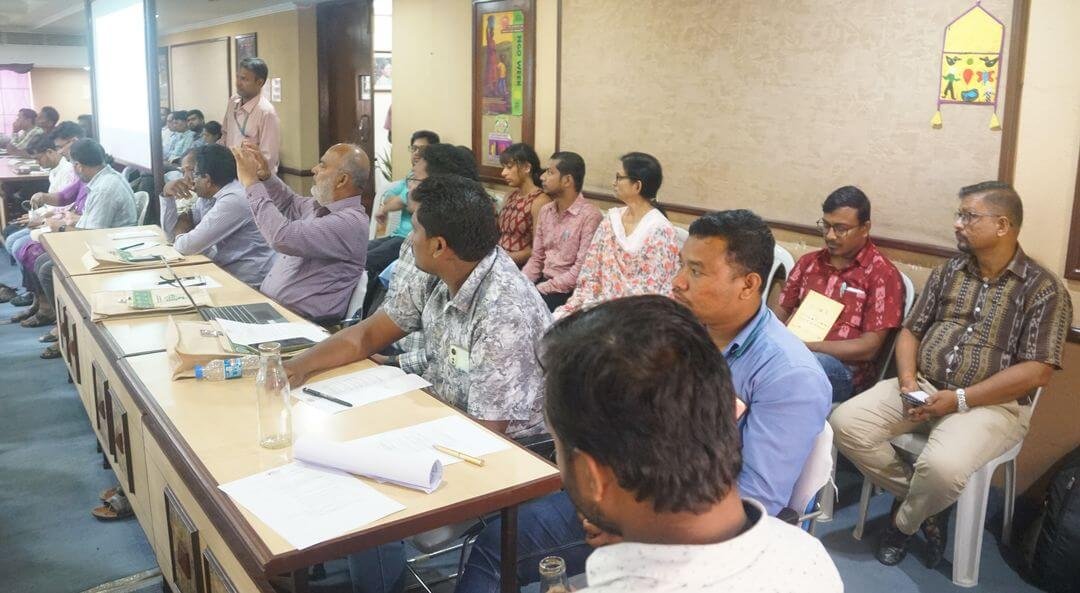
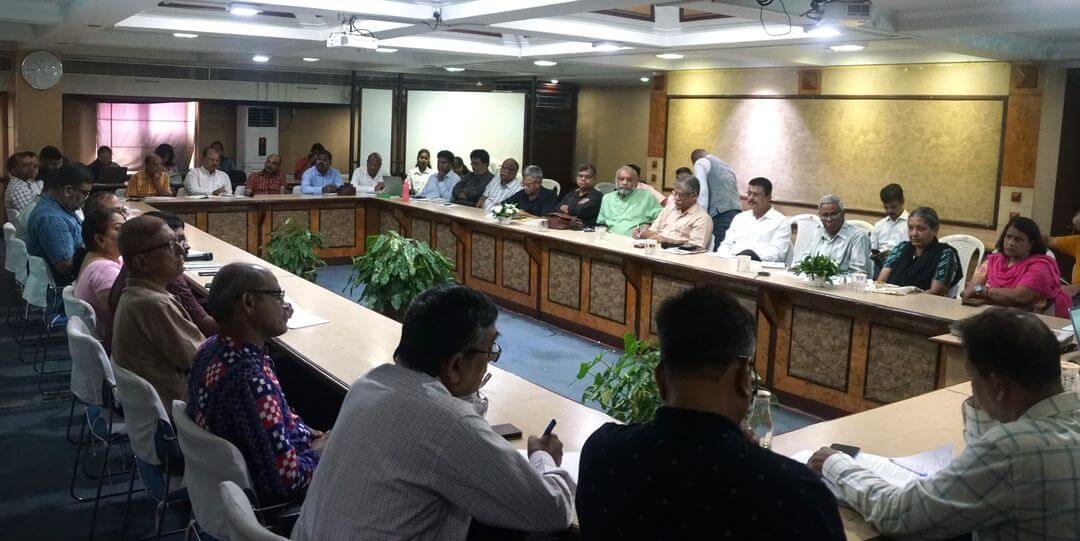
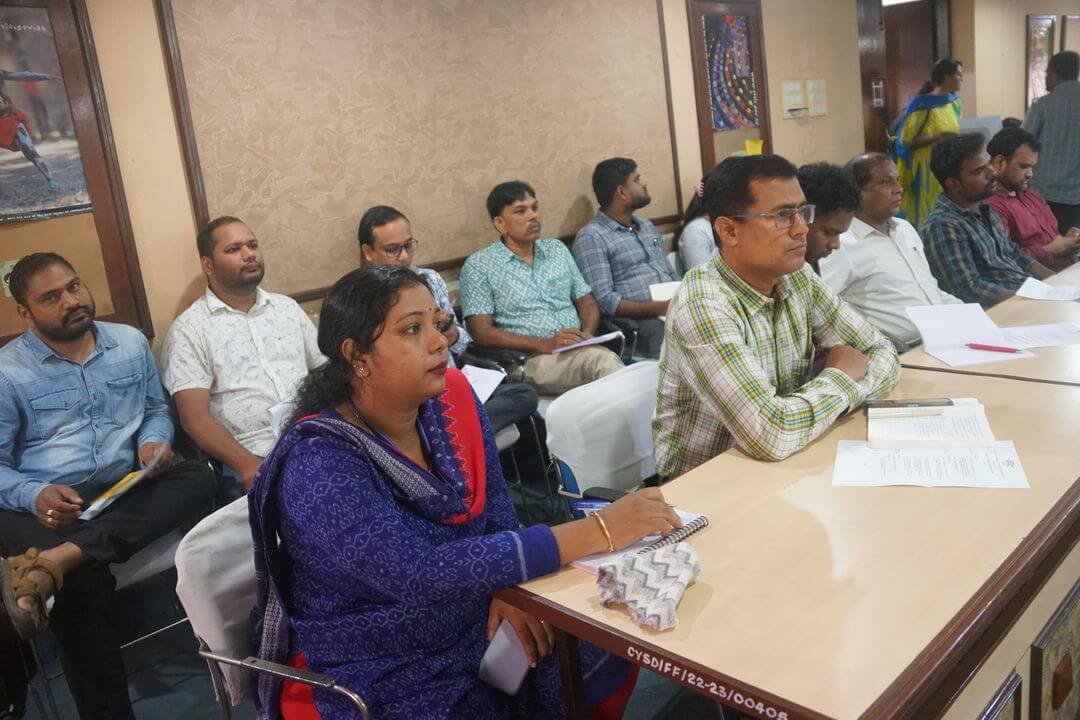
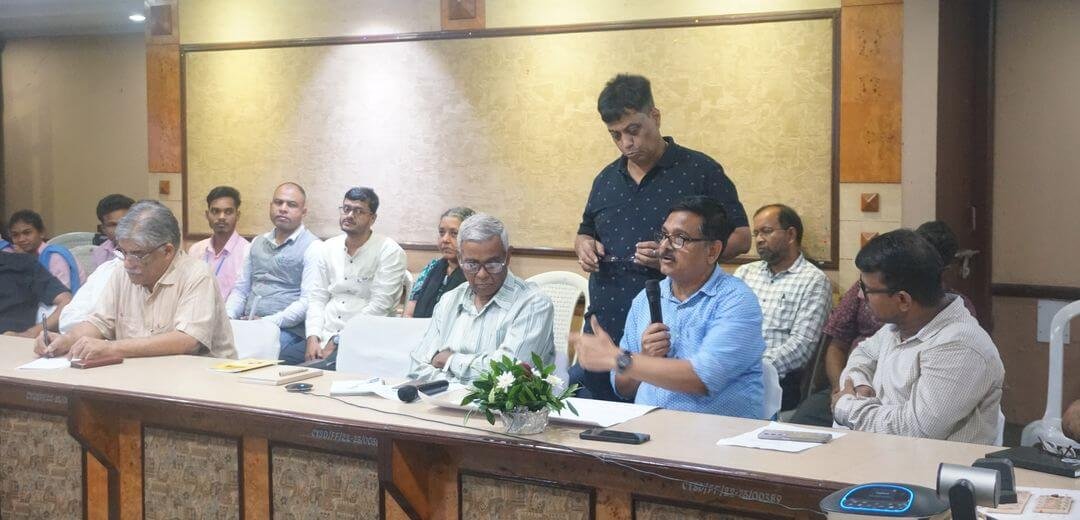
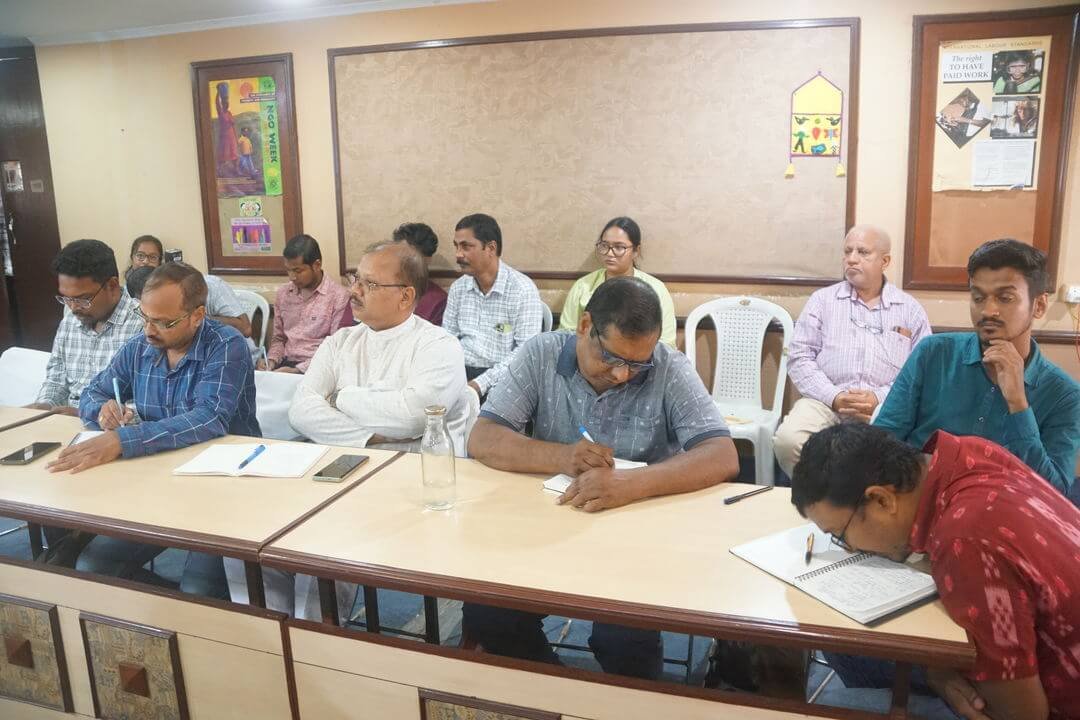
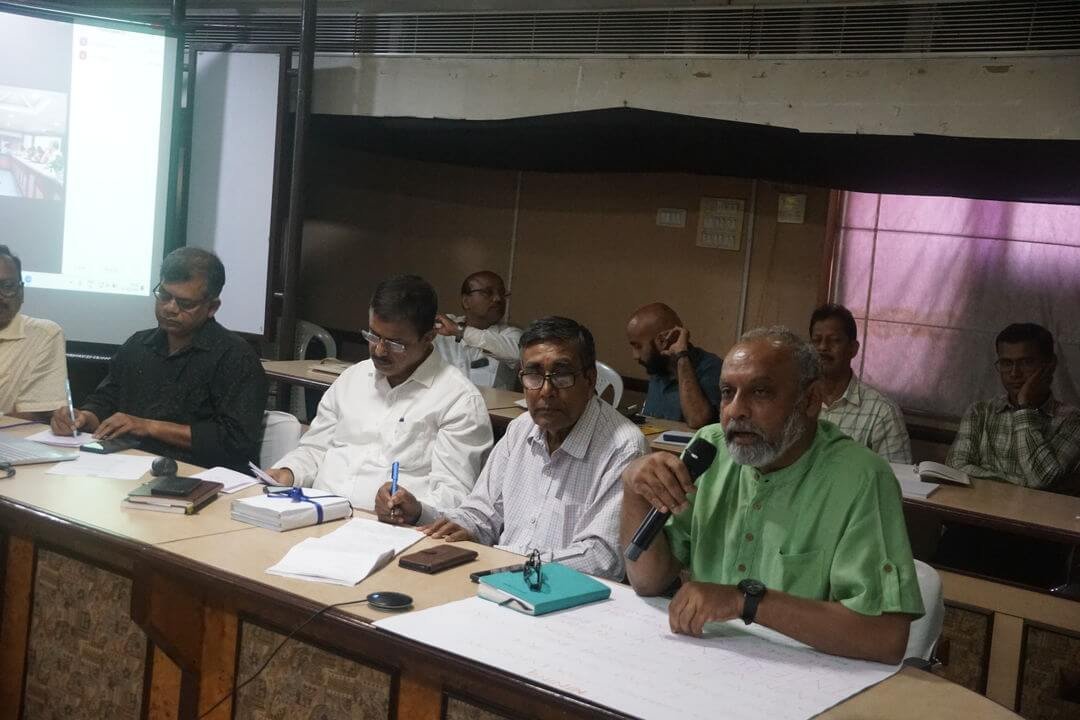
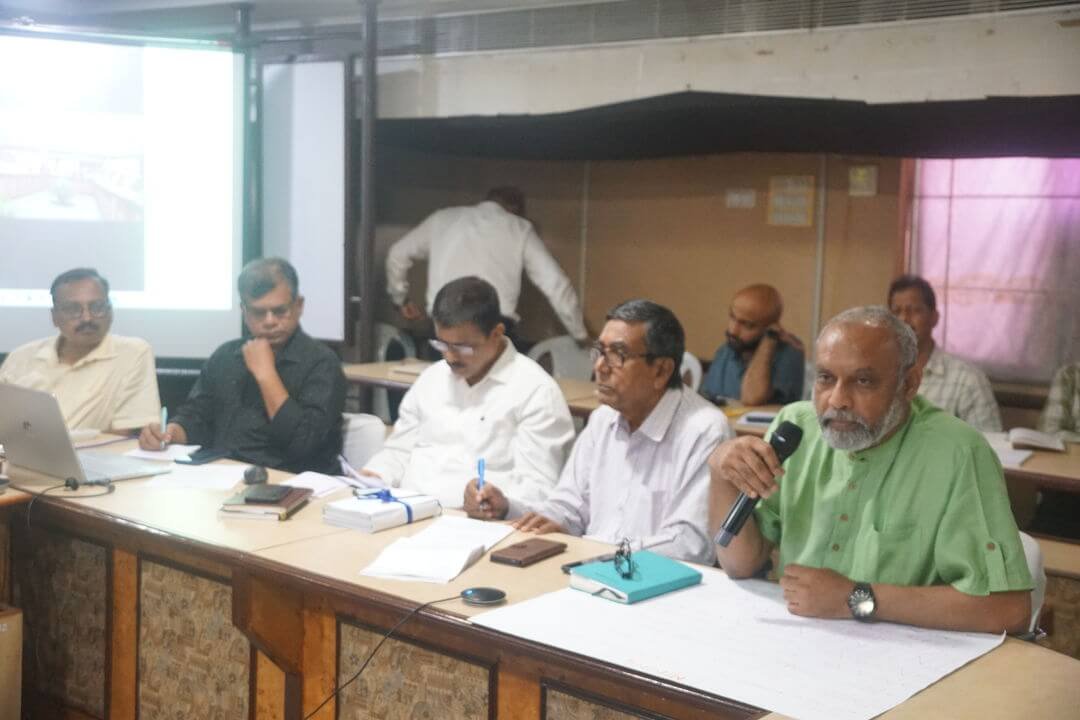
Participants divided into four thematic breakout sessions namely, a) To discuss key climate resilience strategies specific to Odisha, b) Renewable Energy for Climate Mitigation, c) Coastal Eco-System Regeneration & Climate Resilience, and d) The Future of Mining; Strategies for Climate Resilience. Each group was provided with the following framework to follow during the breakout group discussion.
- Defining the thematic issue and its context specific to Odisha; Gravity, vulnerability, identifying stakeholders affected and likely to be impacted by the issue.
- Inventories areas of current engagement (Direct action, Research, Capacity Building, any other)
- Setting up of Collective Agenda;
- Joint research for evidence building,
- Development of knowledge products,
- Envisioning of future action areas (short term, medium term and long term)
- Capacity building needs
- Determine what type of support each organisation can provide.

Climate-Resilient Natural Farming (Facilitated by Shri A. Ravindra, Executive Secretary-WASSAN)
The following key points emerged from the breakout group discussions;
- Discussed the importance of agroecological practices tailored to Odisha’s unique climatic zones, including drought-prone and flood-prone areas.
- Emphasized the promotion of indigenous crop varieties, along with seed and water security measures, to build resilience.
- Focused on empowering women farmers and tribal communities through climate-smart agriculture, integrating traditional knowledge with modern practices.

Renewable Energy for Climate Mitigation (Facilitated by Shri Satyapriya Sahu, Senior Programme Manager-SELCO Foundation)
The following key points emerged from the breakout group discussions;
- Climate Change and Poverty: Explored the link between climate change and rural poverty in Odisha, with reduced agricultural yields affecting livelihoods.
- Technology and Environmental Degradation: Highlighted the risks of inappropriate technology use worsening climate impacts.
- Adaptation and Mitigation: Discussed the need to balance adaptation with climate mitigation strategies to build resilience.
- Entrepreneurship in Solar Energy: Stressed the importance of fostering local entrepreneurs to operate and maintain solar energy systems, creating jobs and ensuring the effectiveness of renewable energy initiatives.
- Model Villages and Clean Energy Mission: Called for the development of model villages showcasing clean energy solutions, alongside a state wide Clean Energy Mission.
- User-Centric Energy Solutions: Emphasized designing renewable energy initiatives around the needs of users, ensuring better adoption and sustainability.
- Life Cycle Perspective: Advocated for sustainable energy practices, such as balancing solar pumping with groundwater recharging, to protect natural resources.
- Decentralized After-Sales Services: Highlighted the need for local maintenance support to ensure long-term system performance.
- Skill Development and Quality Control: Addressed the importance of training in the renewable energy sector and ensuring quality standards in technology.
- Financing for DRE Systems: Discussed the need for financial support to expand Distributed Renewable Energy (DRE) systems in underserved regions of Odisha.

Coastal Ecosystem Regeneration & Climate Resilience (Facilitated by Shri Ambika Nanda, Head CSR, Odisha- TATA Steel, & Shri Devjeet Mitra- Director, Socratus Foundation)
The following key points emerged from the breakout group discussions;
- Proposed large-scale mangrove regeneration efforts in Odisha’s coastal regions to mitigate the effects of cyclones and rising sea levels.
- Study of Coastal Landscape Change: Suggested a detailed study of coastal landscape transformations to guide policy on land use and ecosystem restoration.
- Ecosystem Services and Ethnographic Studies: Advocated for assessing the value of ecosystems and conducting ethnographic research to understand the socio-economic dynamics of coastal communities.
- Formation of a Civil Society Forum: Proposed forming a civil society forum to collaborate with the government on mangrove restoration and coastal management initiatives.
- Progressive Carbon Accounting Policy: Discussed the development of a carbon accounting policy for Odisha, drawing lessons from other states, to incentivize coastal conservation efforts.

The Future of Mining; Strategies for Climate Resilience” – Mr. Nirmalendu Jyotishi – Senior Consultant, FES, & Shri Stalin Nayak- Founder and Chairperson, Pantiss
The following key points emerged from the breakout group discussions;
- Highlighted the environmental degradation caused by mining in Odisha, including deforestation, water pollution, and declining water tables.
- DMF Expenditure Analysis: Raised concerns about the effective use of District Mineral Foundation (DMF) funds and proposed an expenditure review to ensure the funds benefit mining-affected communities.
- Health Hazards in Mining Areas: Addressed the need to tackle health issues such as respiratory and waterborne diseases affecting communities near mining operations.
- Nominal Role of PRIs and Gram Sabhas: Emphasized the limited involvement of Panchayati Raj Institutions (PRIs) and Gram Sabhas in mining-related decisions, calling for greater community participation.
- Proposed Interventions: Recommended consolidating knowledge on sustainable mining practices and forming a task force to focus on decarbonization, water resource management, and just transition strategies in Odisha’s mining sector.
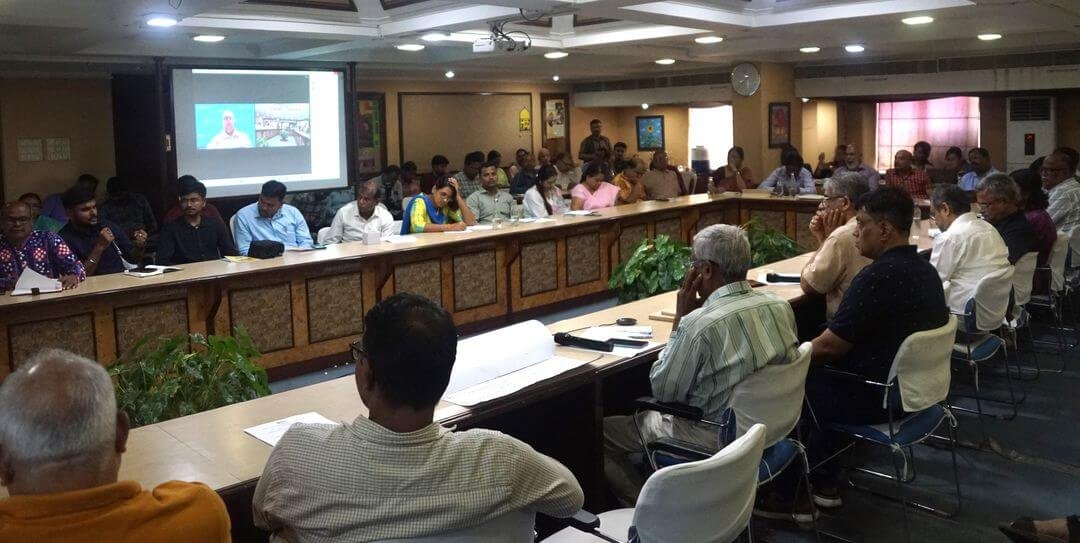
Address by Shri Satya Tripathi
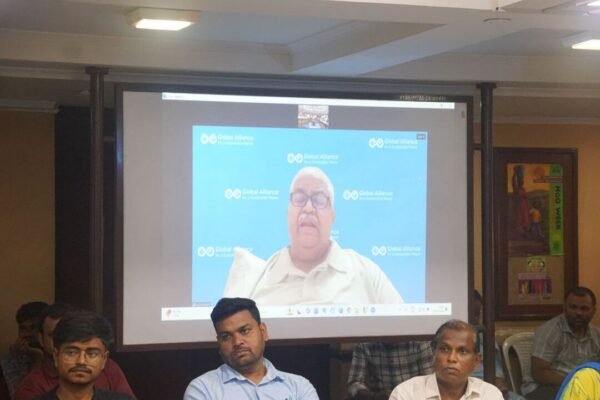
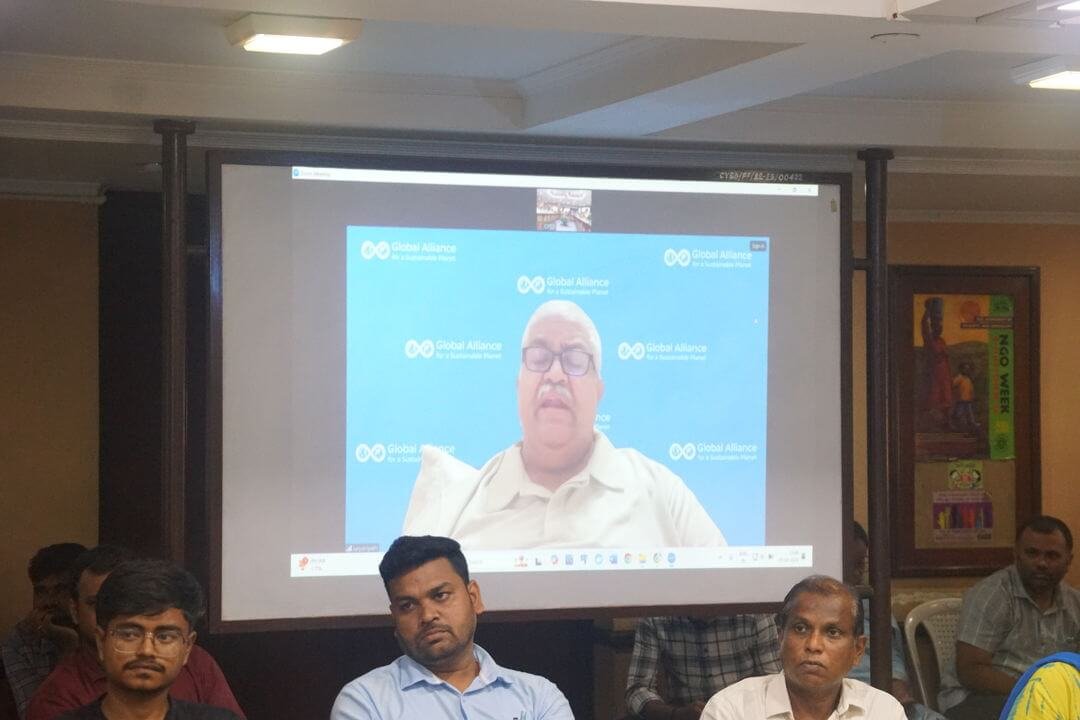
Sh. Shri Satya Tripathi, Secretary General of the Global Alliance for a Sustainable Planet, addressed the gathering, emphasizing the critical importance of climate change discussions. He called for urgent action and collaboration at local, national, and global levels to tackle climate challenges effectively. Shri Tripathi highlighted that integrating natural farming into the Gram Panchayat Development Plan (GPDP) is essential for fostering sustainability and resilience in Odisha’s rural communities. He narrated the successful model introduced in South India where climate resilient models are working well fulfilling the energy needs of the community using community wastes. He expressed the necessity of a collaborative approach among practitioners in the state at this juncture, and extended his best wishes for the success of the platform.
Book Launch: "GPDP and Natural Farming"
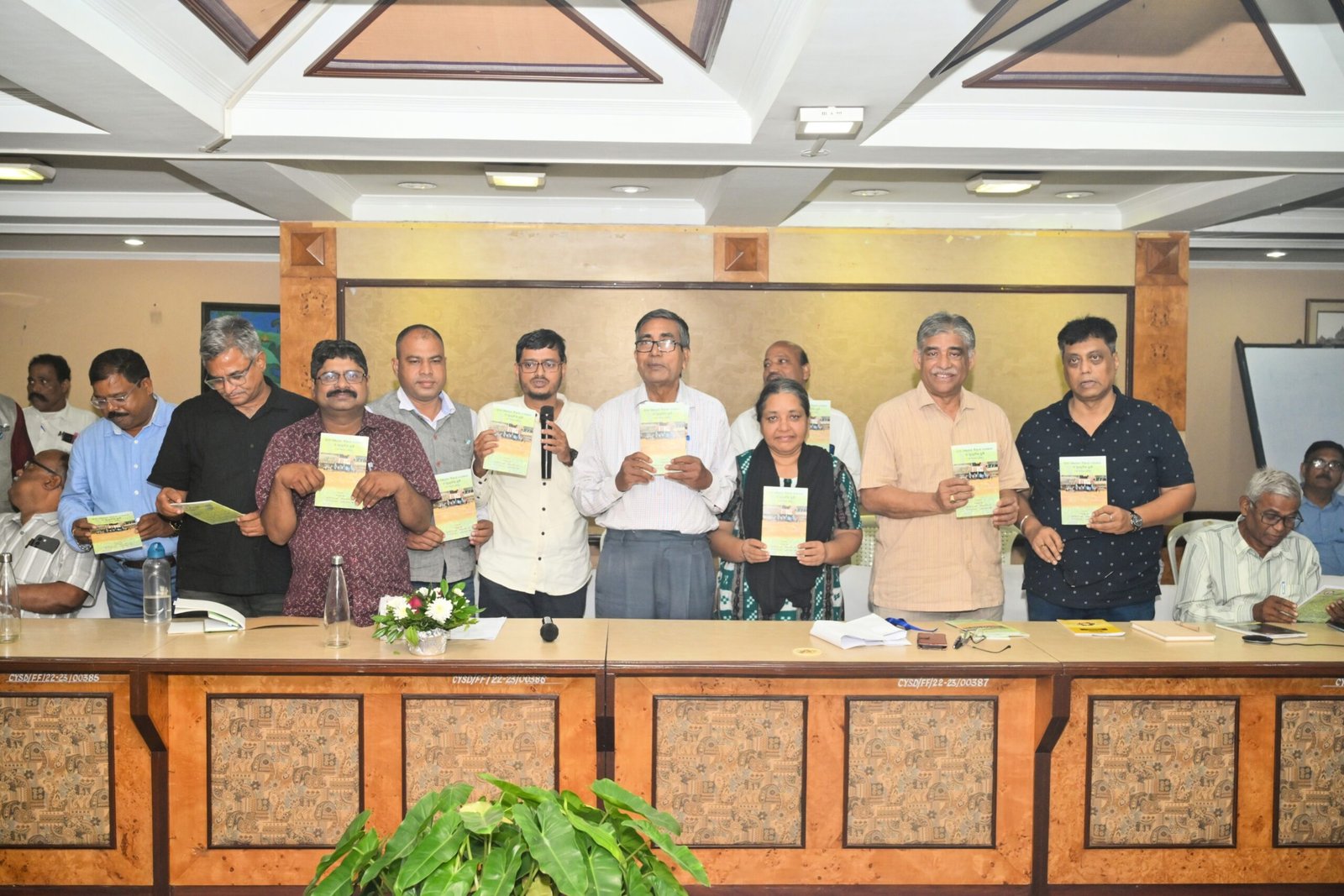
Following Shri Tripathi’s address, the book “GPDP and Natural Farming” was released in Bhubaneswar. The launch was graced by: Smt. Sabarmatee, Padma Shri Awardee, Shri Jagadananda, Convenor- ODI, Shri A. Ravindra, Executive Secretary, WASSAN, Sri Shri Ambika Prasad Nanda- Head CSR, Odisha- TATA Steel, and Shri Sanjay Nayak, Sarpanch, Babanpur G.P.
Published by the National Coalition for Natural Farming, Odisha Chapter, the book aims to guide the integration of natural farming into GPDP. It is co-authored by Shri Ekadashi Nandi, Shri Dolagobinda Panda, Mr. Sridhar Behera, Mr. Ramesh Swain, and Dr. Muhammad Imran Ali. The book is expected to serve as a key resource for Gram Panchayats in adopting sustainable, climate-resilient farming practices.
Sharing Information about the launching of B. VoC coursed in KISS University
Sri Saroj Kumar Dash, Director Social Projects, KISS University shared about the launch of the B. VoC courses in Natural Farming, and Renewable Energy by KISS University at the plenary session. He expressed that students with knowledge and understanding would positively contribute and be a critical part of the climate resilient ecosystyem. The participants expressed their happiness to know about development.
Way Forward
The future agenda of the Odisha Climate Action Practitioners’ Collaborative (OCAPC) includes a proposal for the next meeting to be held virtually. The meeting will focus on finalizing a feasible governance model, leadership roles, exploring resource generation strategies, identifying best practices, and establishing research and collaboration areas, as well as developing a capacity-building plan.
Dr. Suprava Patnaik has been declared as the Programme Advisor for OCAPC until further arrangements are made.
Organisations were encouraged to extend their support to OCAPC in any form possible.
There is a strong call for continued collaboration among civil society, local communities, and government agencies to enhance climate resilience in Odisha.
The workshop concluded with a vote of thanks to all participants, with special appreciation extended to WASSAN for their invaluable support and coordination of logistics.