OVC 2024
Viksit Odisha @2036:
Leveraging Demography & Development
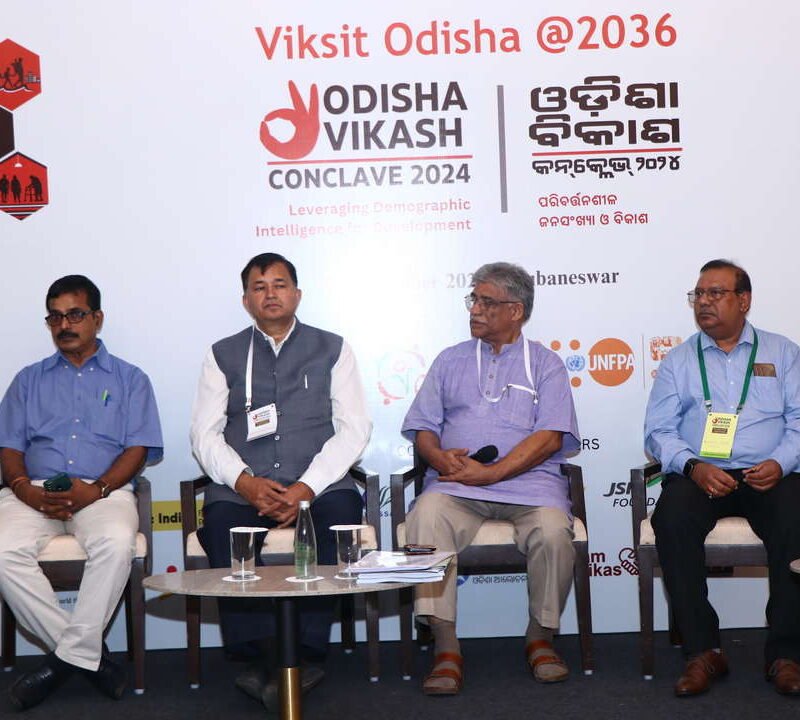
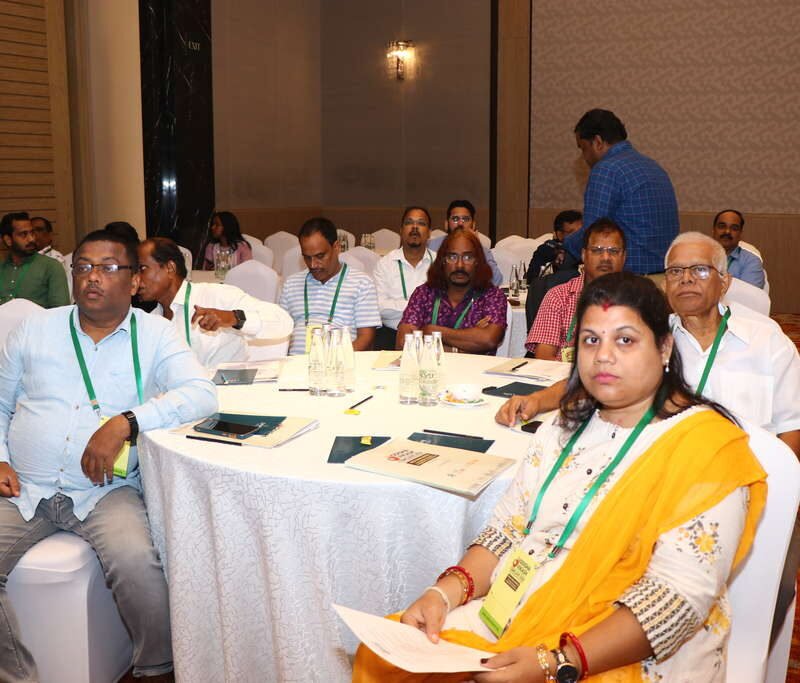
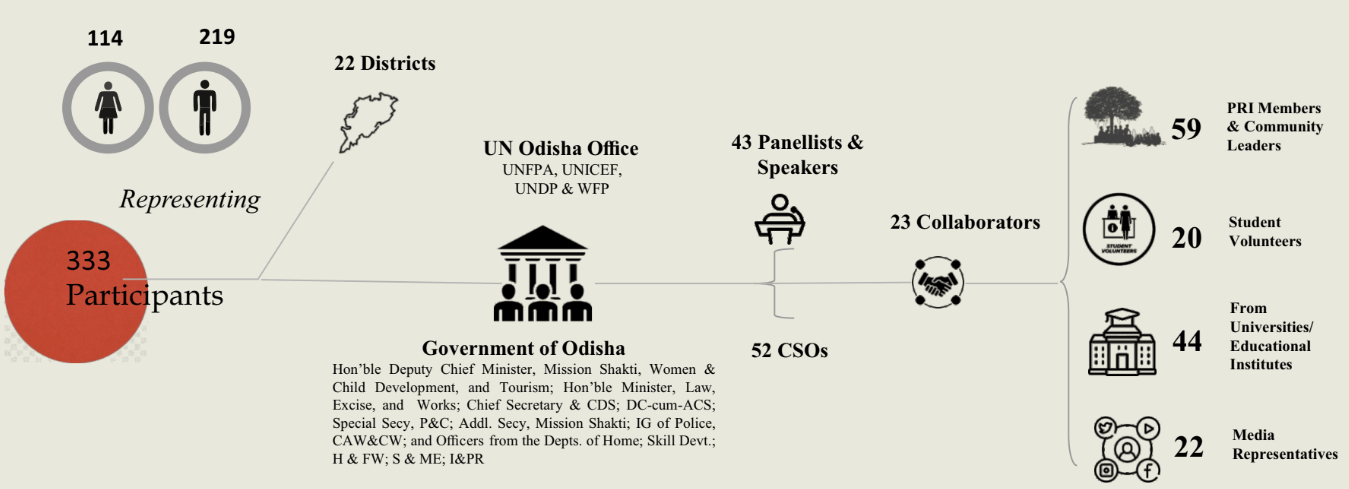
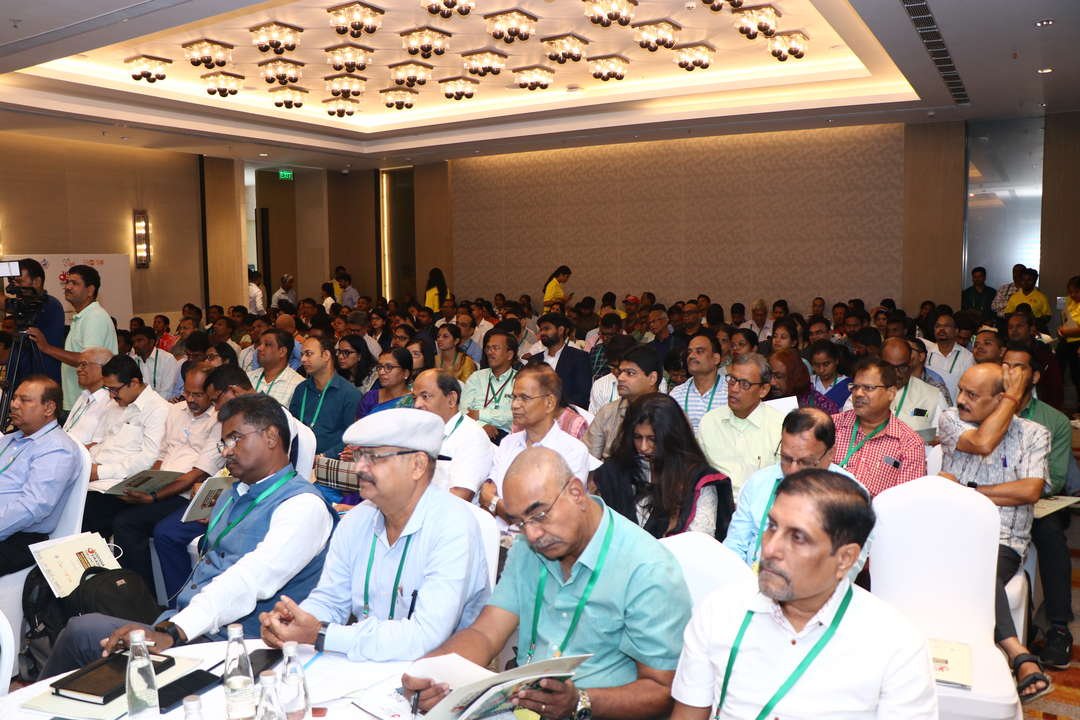
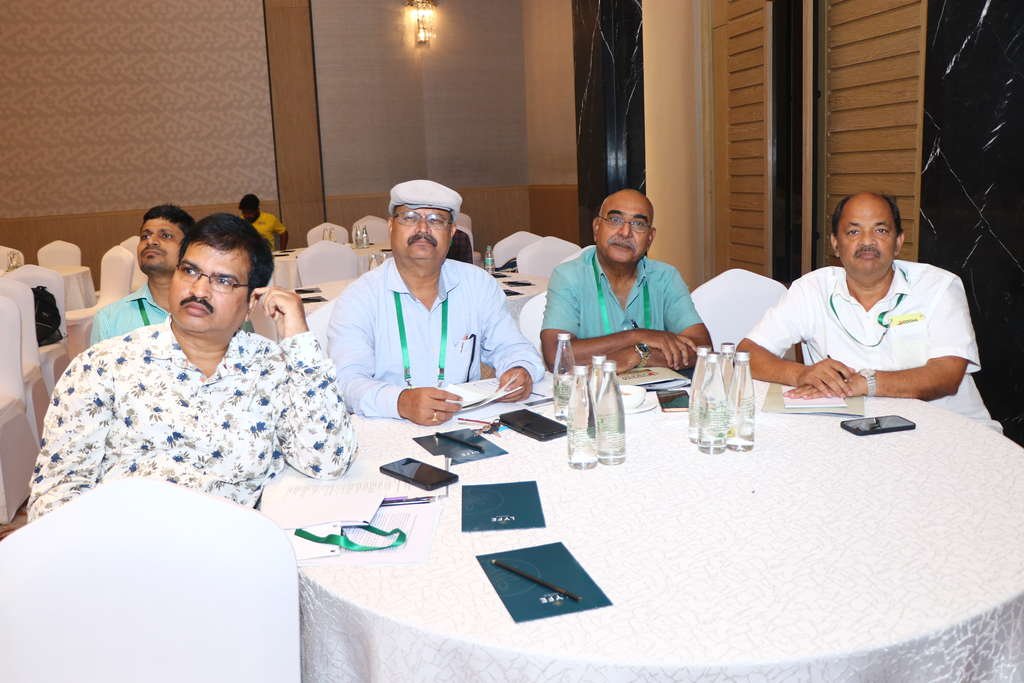
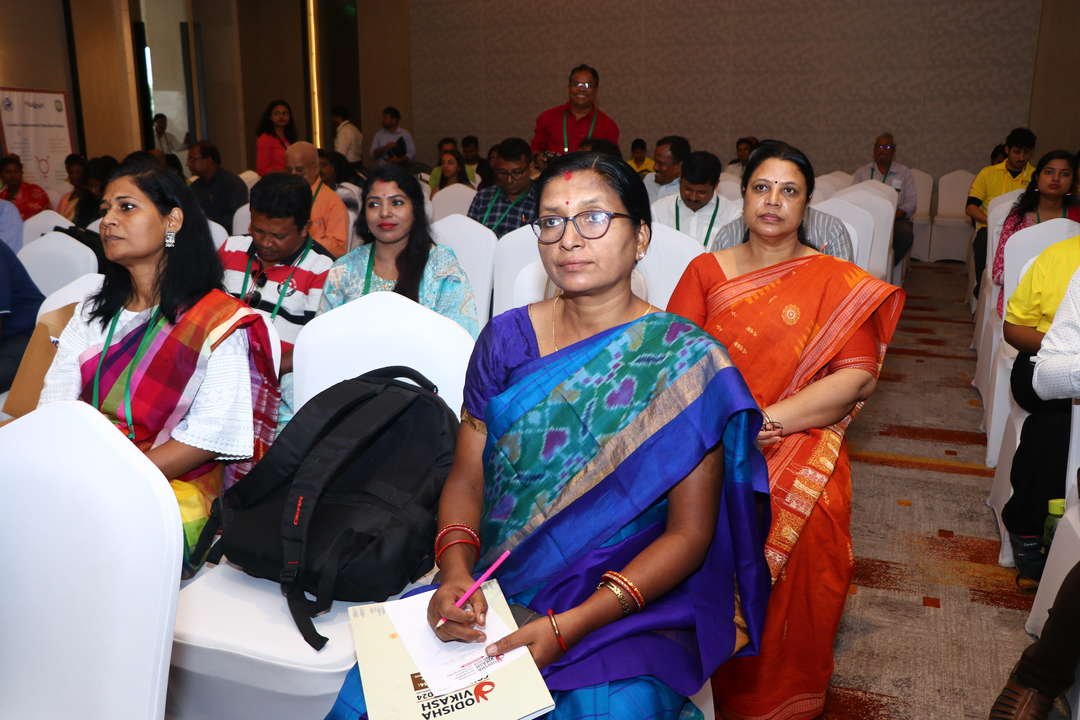
The Odisha Vikash Conclave (OVC) 2024, held on October 23, focused on the theme Transformative Odisha @2036: Leveraging Demographic Intelligence for Development. Organized in collaboration with Government of Odisha and UNFPA, the conclave convened over 300 stakeholders from government, academia, civil society, and the corporate sector.
The discussions explored Odisha’s evolving demographic landscape and its implications for healthcare, education, employment, urbanization, governance, and economic growth.
Download PDF Version





Process
Programme Design
23rd October 2024
10:00 AM
Opening Session
12:00-1:30 PM
2:30-4:00 PM
Thematic Sessions
4:00-5:00 PM:
Pre-launch of the online training course on Demography & Public Policy
5:00-7:00 PM:
Way Forward
Thematic Track: 1
Safety & Security of Women
Thematic Track: 2
Employment
Migration & Urbanization
Thematic Track: 3
Health & Nutrition
School Education
Population Ageing
Thematic Tracks
Back Drop
Odisha, with a population of 4.19 crore (3.7% of India’s total, as per the 2011 Census), has undergone a steady demographic transition over the past seven decades. The state’s population growth rate declined from nearly 2% in the early decades after Independence to 1.4% during 2001–2011, reflecting significant reductions in fertility and mortality. Odisha achieved replacement-level fertility (TFR 2.1) by 2013—seven years ahead of the national milestone—and NFHS-5 (2019–21) reports a further decline to 1.8. Life expectancy has risen remarkably from 45.7 years in the 1970s to over 72 years, signalling broad improvements in health and living conditions.
Objectives
- Facilitate discussions among development actors about the impacts of demographic change on various sectors and development indicators.
- Develop an action plan to mitigate potential challenges and harness opportunities arising from the demographic transition.
- Identify the roles of the government, civil society organizations (CSOs), corporate social responsibility (CSR) bodies, academic institutions, and other development agents in driving sustainable development and positive change in Odisha.
- Present the analytical report, “Odisha @2036: Demography and Development,” which provides insights into the state’s demographic trends and their implications.
Release of the Report “Emergent Odisha: Demography & Development”
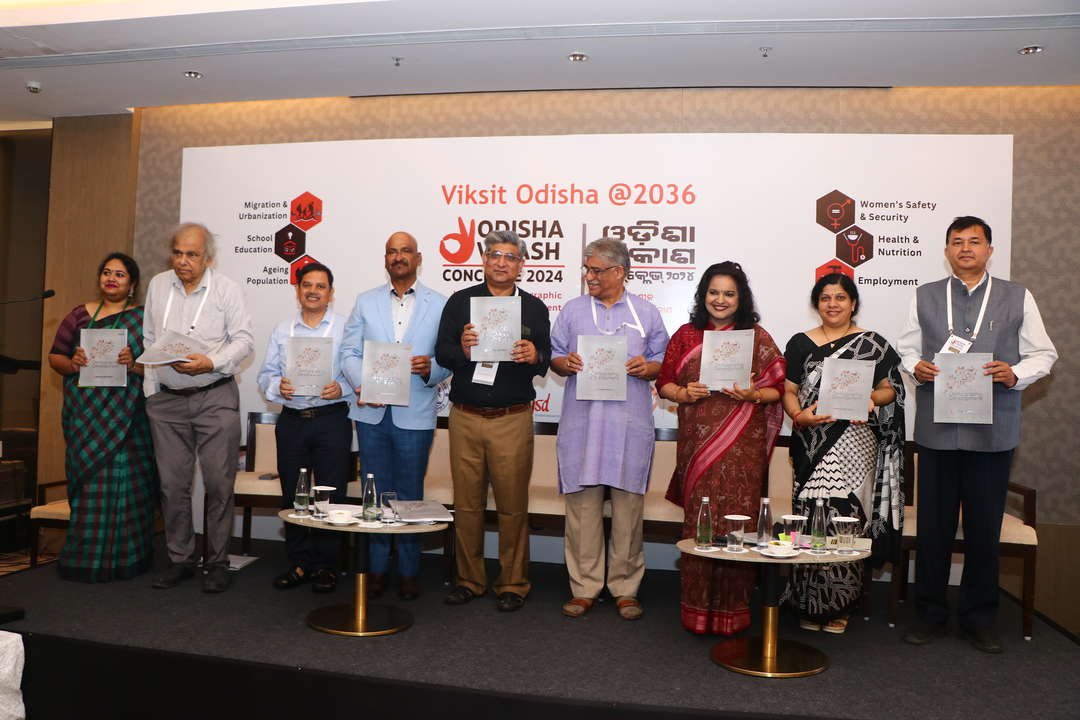
The report “Emergent Odisha: Demography and Development” highlights key demographic shifts that will reshape its socio-economic landscape. To leverage its demographic dividend, the state needs to address healthcare disparities, particularly for women, children, and the elderly, through reforms in healthcare services and social security. The report also focuses on improvements in the quality of learning and continuing education initiatives, alongside equipping the youth with critical skills as the working-age population peaks. Additionally, it underscores the need for sustainable urban management and rural development to mitigate distress migration.
”We are now planning the vision for Odisha @2036 and 2047. This is the best time to have this kind of conclave. I am very happy to find such a wide range of stakeholders and will be getting some lovely ideas. We are keenly waiting for all the ideas.
Smt. Anu GargDevelopment Commissioner-cum-Additional Chief Secretary, Government of Odisha
Health & Nutrition
Despite notable progress, maternal and child health, reproductive health, and elderly care in Odisha require urgent attention. Half of the state’s districts have an Infant Mortality Rate above the average of 33. Maternal mortality is high, especially in tribal areas, and child malnutrition persists. Anaemia affects 64.4% of women and 61.8% of pregnant women, hindered by healthcare professionals’ limited understanding and gender disparities innutrition and healthcare, further exacerbating these health issues.
The prevalence of non communicable diseases (NCDs) is alarmingly increasing as a major health challenge in the state. NCDs, such as hypertension and diabetes, are lifelong conditions that negatively impact the quality of life. In 2021, 8.67 million people had hypertension and 3.97 million had diabetes, with projections of 10.8 million and 4.10 million by 2036 respectively, exacerbating their burden.
Download Background Note
Highlights
Minimal Health Outcomes:
While health coverage has seen improvements in Odisha, desired health outcomes are minimal, necessitating comprehensive interventions encompassing good nutrition, access to clean water, and improved sanitation.
Policy Recommendations
Improving Healthcare Services:
- Strengthen primary healthcare by increasing budget allocations to at least 67% of the total healthcare budget, as the National Health Policy recommends.
Action Plan for the Civil Society
- Raise awareness on health and nutrition challenges among vulnerable groups, especially tribal communities.
Future Areas of Engagement
- Dedicated health care facilities need to be developed in tribal dominated areas with research scope for tribal health behavior.
”The rising burden of NCDs among younger populations necessitates urgent action. Strengthening primary healthcare, particularly in tribal communities, and integrating public health initiatives with community institutions are crucial steps to enhance prevention and outreach efforts against NCDs.
Dr. Sarit RoutProfessor, Indian Institute Public Health, Bhubaneswar
Population Ageing
Odisha has made notable healthcare improvements, increasing life expectancy from 45 years in the 1970s to over 70 by 2020. However, this progress has resulted in an aging population, with the elderly expected to comprise 16% by 2036, surpassing the national average of 15%. This demographic shift heightens the demand for healthcare services, as the elderly face chronic and degenerative diseases. Additionally, the rise of NCDs in younger populations adds to the healthcare burden, necessitating adaptive policies for comprehensive, affordable healthcare, financial stability, and social welfare for seniors. Support systems must also include mental health services, geriatric care, and physical accessibility in healthcare settings to ensure dignified and healthy aging.
Currently, 37% of older people in Odisha are working, slightly above the national average, yet only 5.5% have work-related social insurance, posing financial security challenges. Gender disparity is evident, with 82% of older women economically dependent compared to 54% of men. Moreover, rising crime rates against senior citizens, including murder and cyber fraud, contribute to their vulnerability and safety concerns in neighborhoods.
Highlights
Elderly Healthcare and Support:
With 90% of Odisha’s elderly population lacking financial stability and many prioritizing healthcare expenses over basic needs, affordable healthcare solutions are critical. Increasing public awareness of health programs, ensuring universal coverage, and utilizing senior citizen committees can provide essential support. Empowering the elderly: Empowering the elderly through skill development and targeted assistance for women and the differently-able people is vital, along with establishing village1 eve l elder care committees to strengthen community support.
Policy Recommendations
Enforce MWPSCA and State Policies:
Enforce the Maintenance and Welfare of Parents and Senior Citizens Act (MWPSCA) 2007, alongside the Odisha State Policy for Senior Citizens, 2016, ensuring effective operationalisation of all the statutory bodies under the Act. Effective Implementation of NPHCE: Implement the National Programme for Healthcare of the Elderly (NPHCE) effectively with dedicated budgetary allocation, incorporating mental health services, Geriatric care, financial support for non-pensioned seniors, while ensuring regulated training for the caregivers, with a focus on the needs of elderly women. Increase in Non-Contributory Pension: Increase non-contributory pension based on the Consumer Price Index, providing universal coverage to individuals aged 60 and above, ensuring a dignified life for all senior citizens.
Action Plan for the Civil Society
- NA
Future Areas of Engagement
Establish dedicated day care centers at the Gram Panchayat level and create elder care committees in each village for accessible community support.
Support for Employees Caring for Elders: Develop policies that support employees in caring for elderly parents and preparing for postretirement needs.
”A growing elderly population and shrinking child demographic necessitate strengthened healthcare, social security and fiscal policies, including community-based elderly care programs.
Dr. Sanjay Kumar MohantyProfessor and Head, Dept. of Population and Development, IIPS, Mumbai
”The National Programme for Health Care of the Elderly has primarily focused on training and capacity building for medical personnel only.However, it is essential to bring this programme into public discourse and implement it comprehensively in the state.
Ms. Bharati ChakraJoint Director & State Head Odisha HelpAge India
”Expanding public awareness on health programmes, ensuring universal coverage, and establishing elder care committees at the village/ward level will enhance well-being and strengthen community support for the aging population.
Dr. Shridhar Murlidhar KadamDirector, Indian Institute Public Health, Odisha
School Education
Odisha faces significant challenges in achieving quality education as outlined in SDG 4, particularly due to its diverse geography and the cultural and linguistic needs of rural and marginalized communities. While school enrolment and gender parity have improved, issues like inadequate infrastructure, teacher shortages, and pandemic-related learning losses continue to hinder equitable access. The education system often fails to engage tribal students, resulting in high dropout rates, exacerbated by social issues like child marriage and child labor. Additionally, the child population, under 14 years, has been declining significantly since 2001. In 2021, there were 13,00,000 fewer children as compared to 2011 (Population Projections for India and States 2011-2036, ORGI).
Further, the share of the child population is expected to decline from 29% in 2011 to 20.6% in 2036. Adapting the education system to these changes is crucial for ensuring that all children succeed.
Download Background Note
Highlights
Minimal Health Outcomes:
Educational Infrastructure: Investment in infrastructure and resources is essential to address school closures, staffing shortages, and access issues in rural and tribal regions.
Policy Recommendations
Contextualizing NEP 2020 in Odisha:
To effectively roll out NEP 2020 in Odisha, the state should focus on contextualizing the policy to address the unique challenges of its tribal, rural, and geographically diverse regions. Establishment of a detailed blueprint to implement the NEP smoothly, supported by community-level awareness campaigns and collaboration with civil society, think tank groups and CSR initiatives.
Action Plan for the Civil Society
Promote Inclusive Quality Education:
- Launch comprehensive awareness campaigns to encourage community participation and demand for quality education.
- Promote parental education to promote quality education at all levels.
- Engage in teacher training, curriculum development, and school safety initiatives to foster gender inclusivity.
Future Areas of Engagement
- Lack of comprehensive climate education in high school limits students’ understanding of environmental issues and reduces their engagement in sustainable practices. Climate education should be introduced in the high school curriculum to encourage environmental responsibility among young people.
”Transforming Odisha’s education system calls for strategic investment in quality education for the marginalized and rural communities, optimally harnessing the state’s demographic dividend to foster equitable opportunities for all.
Shri Anil PradhanConvenor, Odisha RTE Forum, Bhubaneswar
”High dropout rates among girls in tribal areas emphasize the urgent need for gender-sensitive curricula and comprehensive teacher training, alongside community awareness and social security measures, to foster inclusive educational outcomes.
Ms. Sudatta KhuntiaNational Lead & Senior Manager, Action Aid
Employment
Odisha’s labor force participation rate has risen from 36.1% in 2017-18 to 46% in 2022-23. Although the industrial and service sectors have experienced growth, agriculture remains the largest employer, engaging 46.2% of the workforce, while contributing only 15.2% to the state’s Gross State Value Added (GSVA). Notably, 83% of Odisha’s workforce operates in rural areas, largely within the primary sector. Young workers aged 15-34 earn 36% less than the national average, with many rural households surviving on less than INR 166 a day. Furthermore, 9% of rural workers face unemployment, while youth unemployment stands at 14%, peaking at 17% among males. The lack of industry-ready skills and limited job opportunities pose significant challenges, particularly for marginalized groups. As a result, numerous young workers are compelled to seek higher-wage employment outside the state. Unfortunately, mass employment schemes like MGNREGS have not effectively mitigated distress migration, with many households averaging less than 50 days of employment annually.
Download Background Note
Highlights
- Odisha is increasingly focusing on skilling its rural and urban youth for the industrial sector. However, gender and low literacy biases influence sector choices, leaving primary industry skilling largely untapped, despite its potential for green jobs and higher pay.
Policy Recommendations
Adopt a “SkillsPlus” Approach:
- Integrate skill development into mainstream career paths as per the National Education Policy 2020.
Action Plan for the Civil Society
Capacity Building:
Empower stakeholders with a comprehensive approach, ensuring trainers engage in continuous learning to meet evolving skill demands and aligning industry practices with future aspirations.
Future Areas of Engagement
- NA
”Creating value chains in sectors such as food, textiles, and handicrafts within rural areas is essential to curb distress migration from rural areas. This approach can effectively engage the labor force within the local economy, fostering sustainable livelihoods and strengthening rural development.
Dr. Abha MishraState Head, UNDP-Odisha
”Odisha needs to focus on creating diverse employment opportunities for youth, harnessing their potential to drive innovation and economic development.
Dr. Tania DebnathAssistant Professor, Department of Geography, University of Allahabad, Prayagraj
Migration and Urbanization
Odisha has made notable healthcare improvements, increasing life expectancy from 45 years in the 1970s to over 70 by 2020. However, this progress has resulted in an aging population, with the elderly expected to comprise 16% by 2036, surpassing the national average of 15%. This demographic shift heightens the demand for healthcare services, as the elderly face chronic and degenerative diseases. Additionally, the rise of NCDs in younger populations adds to the healthcare burden, necessitating adaptive policies for comprehensive, affordable healthcare, financial stability, and social welfare for seniors. Support systems must also include mental health services, geriatric care, and physical accessibility in healthcare settings to ensure dignified and healthy aging.
Currently, 37% of older people in Odisha are working, slightly above the national average, yet only 5.5% have work-related social insurance, posing financial security challenges. Gender disparity is evident, with 82% of older women economically dependent compared to 54% of men. Moreover, rising crime rates against senior citizens, including murder and cyber fraud, contribute to their vulnerability and safety concerns in neighborhoods.
Download Background Note
Highlights
Minimal Health Outcomes:
While health coverage has seen improvements in Odisha, desired health outcomes are minimal, necessitating comprehensive interventions encompassing good nutrition, access to clean water, and improved sanitation.
Policy Recommendations
Improving Healthcare Services:
- Strengthen primary healthcare by increasing budget allocations to at least 67% of the total healthcare budget, as the National Health Policy recommends.
Action Plan for the Civil Society
- Raise awareness on health and nutrition challenges among vulnerable groups, especially tribal communities.
Future Areas of Engagement
- Dedicated health care facilities need to be developed in tribal dominated areas with research scope for tribal health behavior.
”The government, having previously signed MoUs with other states, should consider extending such agreements to Gujarat, Telangana, and Kerala to ensure that our migrant workers moving to these states can benefit from their social welfare schemes.
Shri Umi DanielDirector, Migration & Education, Aide et Action International
”Establishing a robust registration system for migrants at the GP level is vital for ensuring their safety and dignity. Prioritizing the repatriation of deceased migrants honors their lives and provides essential support to grieving families.
Shri Nirmal Chandra MohantyProgramme Manager, Livelihoods and Village Institutions, Gram Vikas
Safety and Security of Women
Odisha has made notable healthcare improvements, increasing life expectancy from 45 years in the 1970s to over 70 by 2020. However, this progress has resulted in an aging population, with the elderly expected to comprise 16% by 2036, surpassing the national average of 15%. This demographic shift heightens the demand for healthcare services, as the elderly face chronic and degenerative diseases. Additionally, the rise of NCDs in younger populations adds to the healthcare burden, necessitating adaptive policies for comprehensive, affordable healthcare, financial stability, and social welfare for seniors. Support systems must also include mental health services, geriatric care, and physical accessibility in healthcare settings to ensure dignified and healthy aging.
Currently, 37% of older people in Odisha are working, slightly above the national average, yet only 5.5% have work-related social insurance, posing financial security challenges. Gender disparity is evident, with 82% of older women economically dependent compared to 54% of men. Moreover, rising crime rates against senior citizens, including murder and cyber fraud, contribute to their vulnerability and safety concerns in neighborhoods.
Download Background Note
Highlights
Minimal Health Outcomes:
While health coverage has seen improvements in Odisha, desired health outcomes are minimal, necessitating comprehensive interventions encompassing good nutrition, access to clean water, and improved sanitation.
Policy Recommendations
Improving Healthcare Services:
- Strengthen primary healthcare by increasing budget allocations to at least 67% of the total healthcare budget, as the National Health Policy recommends.
Action Plan for the Civil Society
- Raise awareness on health and nutrition challenges among vulnerable groups, especially tribal communities.
Future Areas of Engagement
- Dedicated health care facilities need to be developed in tribal dominated areas with research scope for tribal health behavior.
”Education is the key to empowering women, enabling them to fight for their rights and raise voices against domestic violence. Moreover, we have to build a fast-track women-led judiciary from the prosecutors to judges- to help women victims express their concerns freely.
Shri Prithiviraj HarichandanHon’ble Minister of Excise, Law, Works
”Empowering women in Odisha is pivotal for sustainable development. Together, we must enhance educational access, promote economic independence, and foster leadership to transform our society.
Dr. Supriya PattanayakVice Chancellor, Centurion University
”Emphasizing the vital need for enhanced safety and security measures for women in Odisha is crucial to ensuring their empowerment and safeguarding their rights.
Ms. Biraj Laxmi SarangiProject Director, PCI
”There is critical need for proactive measures and collaborative efforts to enhance women's safety and security across Odisha.
Smt. Shyni S, IPSIG of Police, CAW&CW, Government of Odisha
”The OVC will foster insightful discussions and critical thinking, empowering participants to explore diverse perspectives and inspire innovative solutions within the community.
Dr. Mitali ChinaraProfessor, Department of Analytical & Applied Economics, Utkal University
”To empower women and ensure their safety, we need robust frameworks and greater community awareness, fostering a society free from fear and violence.
Ms. Rukmini PandaState Head, Breakthrough India
”Empowerment is about creating opportunities, fostering equality, and uplifting voices. Together, we can build a society where every individual thrives and contributes meaningfully.
Ms. Sneha MishraSecretary, Aaina

Viksit Panchayat @2036
Odisha has made notable healthcare improvements, increasing life expectancy from 45 years in the 1970s to over 70 by 2020. However, this progress has resulted in an aging population, with the elderly expected to comprise 16% by 2036, surpassing the national average of 15%. This demographic shift heightens the demand for healthcare services, as the elderly face chronic and degenerative diseases. Additionally, the rise of NCDs in younger populations adds to the healthcare burden, necessitating adaptive policies for comprehensive, affordable healthcare, financial stability, and social welfare for seniors. Support systems must also include mental health services, geriatric care, and physical accessibility in healthcare settings to ensure dignified and healthy aging.
Currently, 37% of older people in Odisha are working, slightly above the national average, yet only 5.5% have work-related social insurance, posing financial security challenges. Gender disparity is evident, with 82% of older women economically dependent compared to 54% of men. Moreover, rising crime rates against senior citizens, including murder and cyber fraud, contribute to their vulnerability and safety concerns in neighborhoods.
Highlights
Minimal Health Outcomes:
While health coverage has seen improvements in Odisha, desired health outcomes are minimal, necessitating comprehensive interventions encompassing good nutrition, access to clean water, and improved sanitation.
Policy Recommendations
Improving Healthcare Services:
- Strengthen primary healthcare by increasing budget allocations to at least 67% of the total healthcare budget, as the National Health Policy recommends.
Action Plan for the Civil Society
- Raise awareness on health and nutrition challenges among vulnerable groups, especially tribal communities.
Future Areas of Engagement
- Dedicated health care facilities need to be developed in tribal dominated areas with research scope for tribal health behavior.
”A revolving fund at the GP level is necessary to prevent distress among MGNREGS workers due to delayed payments.
Shri Birabara SahuSarpanch, Sihni GP, Bolangir
”Carbon financing can be an innovative solution for PRIs to generate sustainable own source revenue.
Ms. Anita KusmuliaSarpanch, Kapundi GP, Keonjhar
”"Panchayats must have a clear roadmap for integrating PESA provisions into their governance structure.
Shri Bramhananda DehurySarpanch, Taramara GP, Mayurbhanj
”The inefficacy of MGNREGS drives distress migration, underscoring the critical need for effective implementation to foster sustainable livelihoods and curb rural outmigration.
Shri Khagapati SalmaCommunity Leader

Way Forward
The conclave emerged as a pivotal event focused on creating an actionable roadmap for the Vision Document for 2036. The insightful discussions yielded strategies aimed at informing policy frameworks and governance in Odisha, highlighting the interconnectedness among various sectors to foster a prosperous and inclusive future. The event concluded with a dynamic exchange of ideas as the thematic track coordinators presented the pivotal outcomes from the breakout sessions. In response, distinguished speakers shared their profound insights, l ending valuable perspectives on the state’s developmental journey.
As the conclave concluded, participants left with a renewed sense of purpose and connections that would extend beyond the event. This collective commitment to working towards Odisha’s vision for 2036 exemplified the collaborative spirit necessary to navigate future challenges and opportunities. In summary, the fifth edition of the OVC marked a significant milestone in the state’s development journey. The insights and recommendations generated will be crucial in shaping inclusive and equitable policies as Odisha approaches its centenary in 2036, aiming for a vibrant and sustainable future for all its citizens.
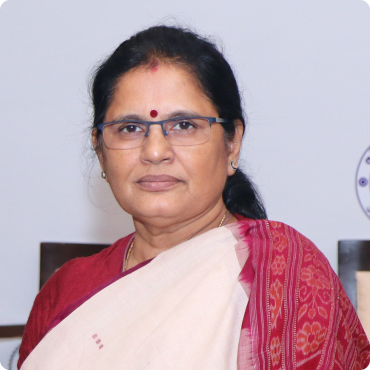
”The discussions on Transformative Odisha @2036 are now not limited to the cabinet. This forum has brought them into public dialogue. Viksit Bharat in 2047 is only possible if there is a Transformative Odisha by 2036.
Smt. Pravati ParidaHon’ble Deputy Chief Minister
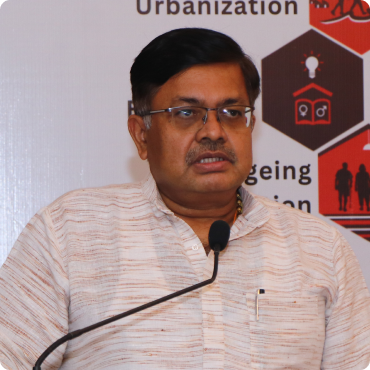
”Maximum Governance, Minimum Government, has a profound implication in public policy. Each stakeholder—be it the Samaj, the Bazar, or the Sarkar—has a unique role to play in the development of the state. Let us encourage all stakeholders to understand each other’s strengths and weaknesses and collaborate to advance the development agenda.
Shri Manoj Ahuja, IASChief Secretary & Chief Development Commissioner, Government of Odisha
”Odisha Vikash Conclave creates a platform to think about what we can do in the next 10-12 years to bring Odisha to par. So, good governance matters the most today, and convergence in our efforts is the key to achieving success.
Shri Surendra Nath TripathiIAS (Retd.)Director General, Indian Institute of Public Administration, New Delhi
”We are gathered here with a shared vision for a transformative Odisha 2036 - a future where our state excels in economic development, while serving as a lighthouse for inclusive growth, sustainability, and human development, fostering prosperity that benefits all citizens.
Shri JagadanandaConvener, Odisha Development Initiative
”The dynamics of demographic transition are vital for crafting adaptive policies that seize opportunities and address challenges. Inclusive growth is essential, highlighting the interconnectedness of demographics, development, and policy discourse as a central theme of the conclave.
Dr Mohammad Nadeem NoorState Head, UNFPA Odisha
”For the success of any development programme, there has to be convergence, particularly convergence for implementation. But I think, the Odisha Development Initiative is a perfect axample of convergence not only for implementation, but also for formulation of the vision and the strategy.
Prof. Amitabh KunduFormer Dean, School of Social Sciences, JNU, New Delhi
”Each OVC provides a valuable opportunity to approach challenges from new perspectives. OVC 2024, in particular, will play a pivotal role in shaping the vision for Odisha @2036. This platform unites individuals and organizations across diverse ideologies, fostering collective thought and collaboration toward a shared goal for the state's development.
Dr. Swarnamayee TripathyRetd. Professor, Utkal University
”Odisha's potential for economic growth hinges on robust collaboration among government, civil society, and corporate stakeholders, fostering innovation and sustainable development for a thriving future.
Shri Jyoti Bhushan PanyChairman, ICC Odisha Expert Committee
Panelist & Speakers








COLLABORATORS





Reports & Factsheets
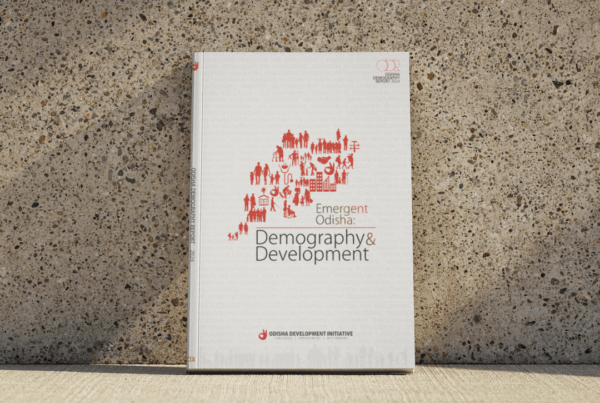
Emergent Odisha: Demography & Development As Odisha approaches its centenary…
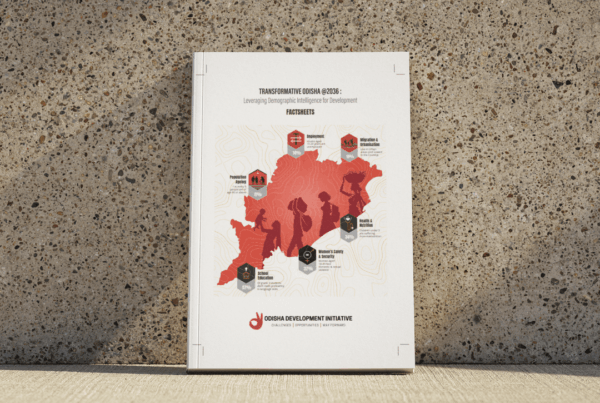
Leveraging Demographic Intelligence for Development The demographic transition in Odisha,…