OVC 2023
Transformative Odisha @ 2036:
Demography and Development
Odisha has undergone a transformational journey in the fields of food production, food security, livelihoods, and disaster management. However, the state is also passing through a phase of rapid demographic transition not only determined by the size of the population and growth rate, but by the composition and distribution of the population accompanied by changes in behaviours and aspirations of the people. The sustained decline in fertility coupled with rapid economic and socio-cultural transition is shaping up a different trajectory for the state.
This changing demographic transition of Odisha will have implications on education, labour force, aging and social security provision, maternal and child health and many other dimensions. This will be all the more important for Odisha, which is set to celebrate 100 years of its formation in 2036.
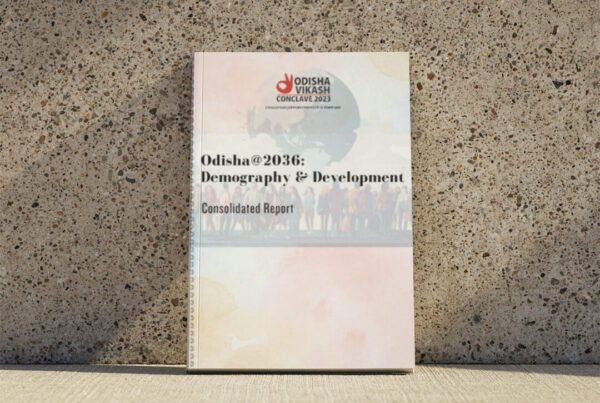
Download PDF Version








Process
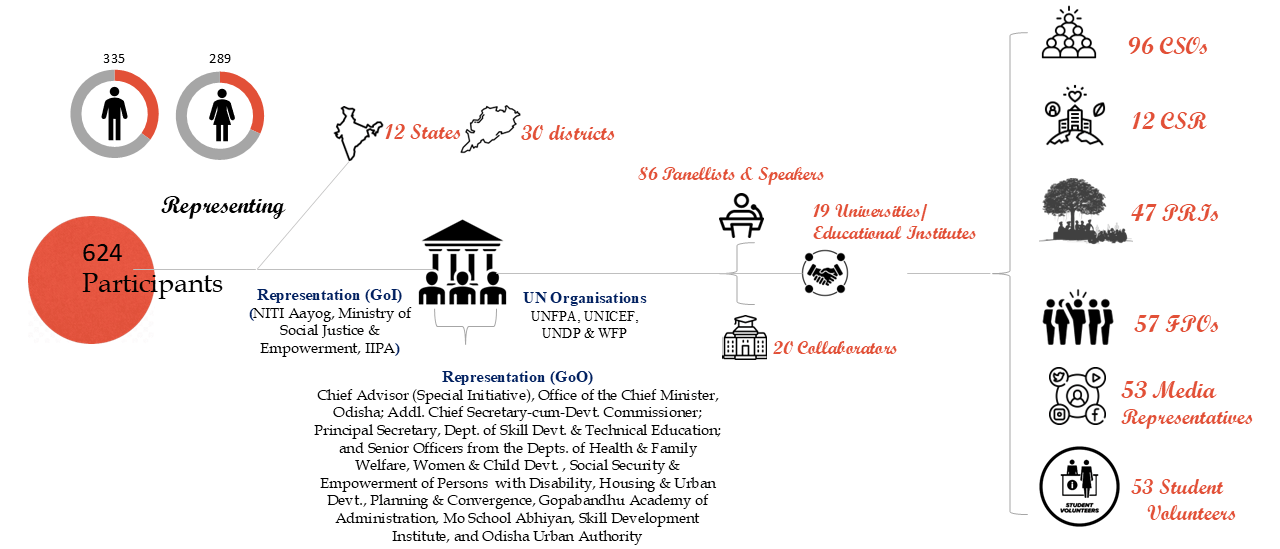
Programme Design
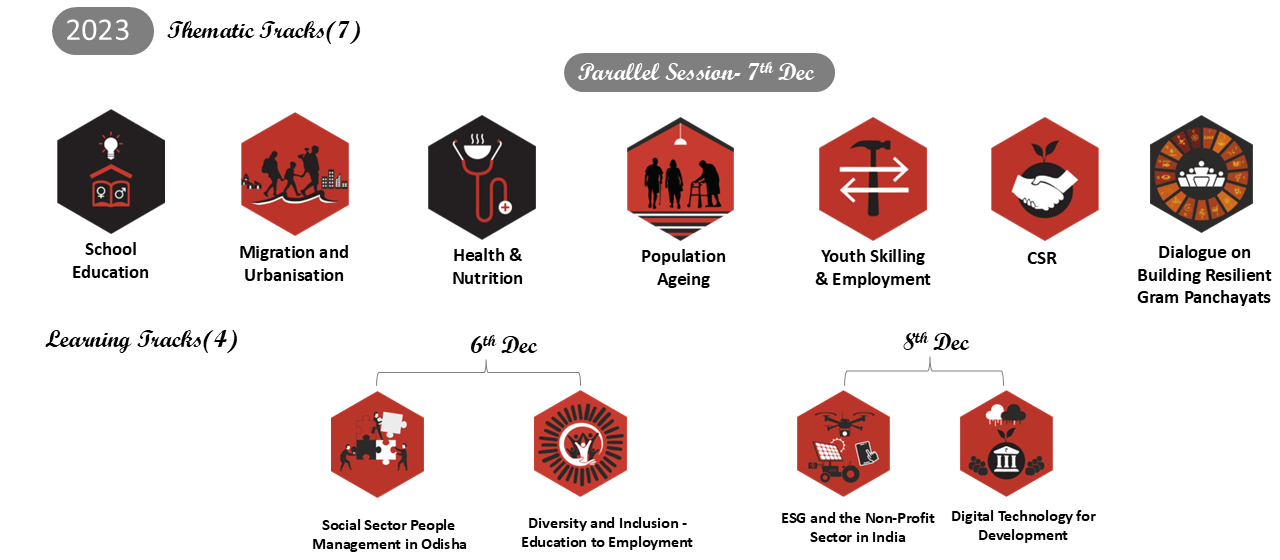
Thematic Tracks
Back Drop
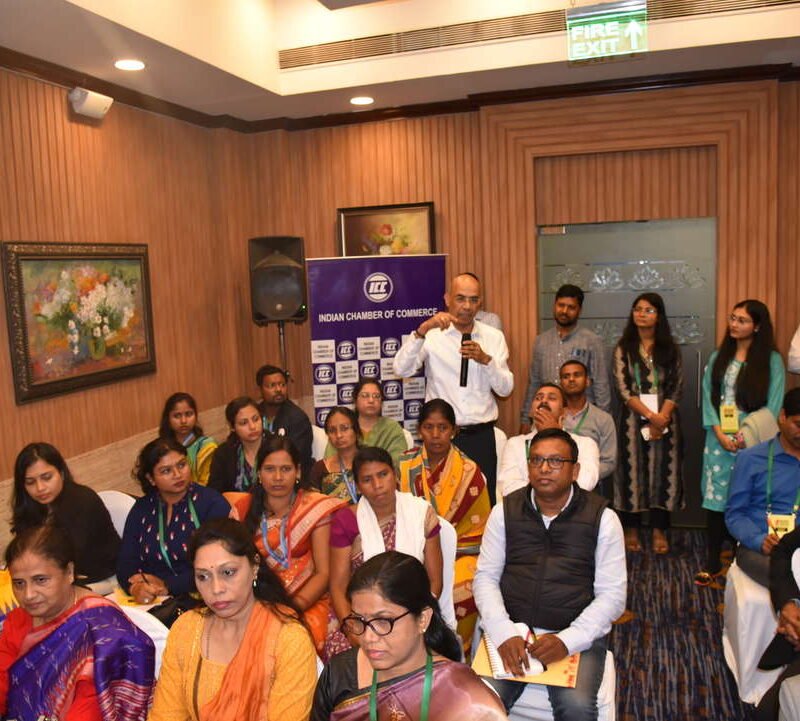
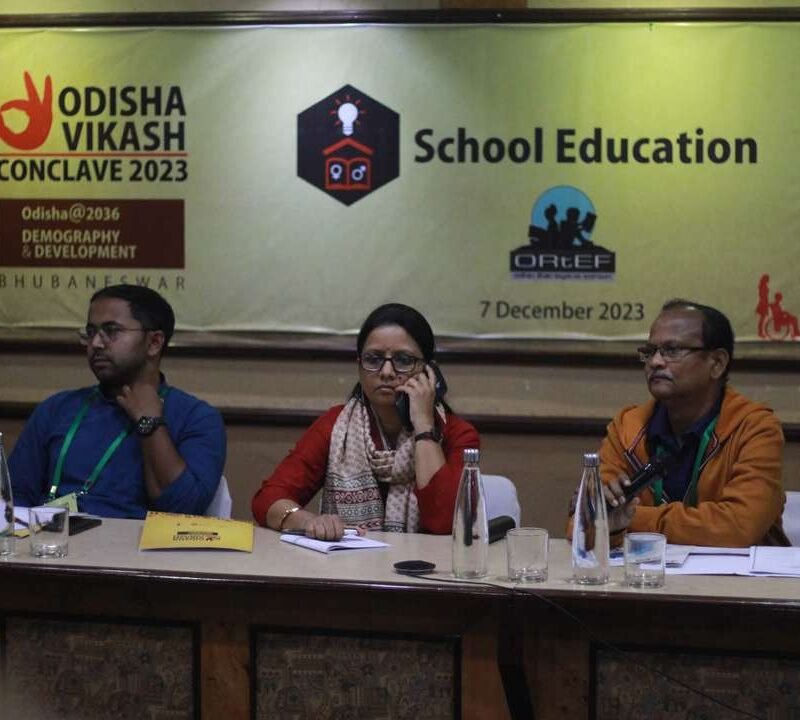
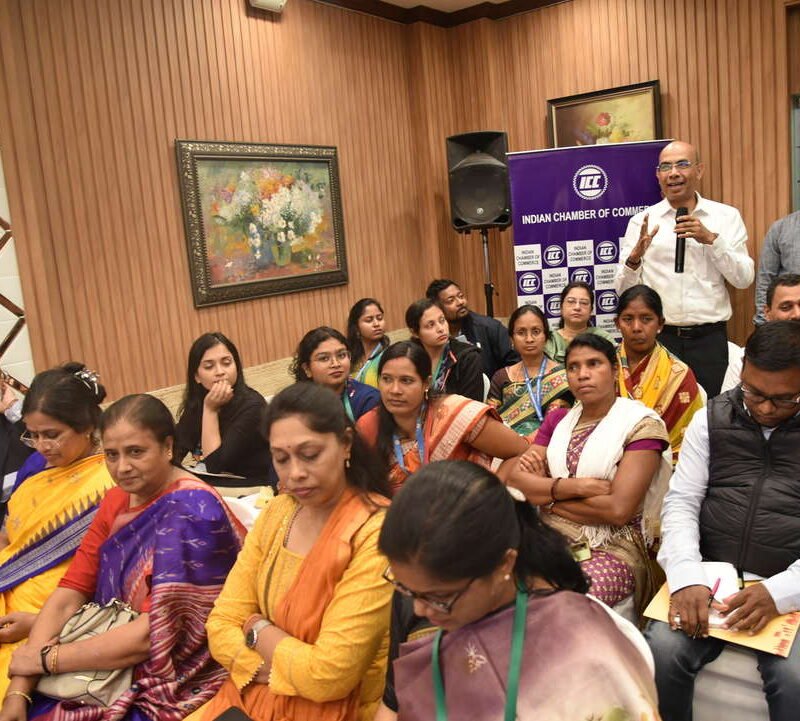
The 4th edition of Odisha Vikash Conclave (OVC) was organized by CYSD in collaboration with UNFPA on 7 December 2023. The opening session, anchored by Ms. Sneha Mishra, Secretary of Aaina and Ms. Ranjana Pandey Panigrahi, Managing Director of SDRC set a promising tone for the event. Shri Jagadananda, Mentor and Co-founder, CYSD extended a warm welcome to all distinguished guests and participants attending this special edition of OVC. He graciously acknowledged the presence of esteemed dignitaries at the opening session, including Dr. R Balakrishnan, Chief Advisor (Special Initiatives) Office of the Chief Minister of Odisha; Dr. Muniraju S.B., Deputy Advisor at NITI Aayog; Ms. Andrea Wojnar, Resident Representative of UNFPA India; Dr. Nadeem Noor, State Head of UNFPA Odisha, and Prof. Amitabh Kundu, Professor Emeritus.
Objectives
The Odisha Vikash Conclave (OVC) 2023 has been planned to be organised in December 2023 with the following objectives.
- To analyse the challenges faced by Odisha in light of the current demographic transition
- To prepare an action agenda to enhance the well-being and welfare of diverse segments of the population.
- To identify the roles and responsibilities of CSOs/CSRs/Media/academia and other agents of development in driving positive change and sustainable development in the state.
Participants
A total of around 400 participants including civil society, corporates, academia and researchers and PRI representatives, besides the invitees from the Government will participate in the event.
Collaboration
In addition to partnering with the United Nations Population Fund (UNFPA), we have extended invitations to the Government of Odisha and NITI Aayog to participate as collaborators in this event.
”“Heartfelt appreciation to CYSD, UNFPA, and the Government of Odisha for fostering such a meaningful dialogue—echoing the vision of ‘Sabka Saath, Sabka Prayash, Sabka Vikas’, where collective effort drives inclusive and sustainable development.”
Dr. Muniraju S.BDeputy Advisor NITI Aayog
”“Non-governmental actors play a vital role in spotlighting what governments may overlook. As we confront ageing, climate change, and inequality, collective effort is key. Odisha’s progress depends on women’s participation—Mission Sakti stands as proof. Governance must center on people, not institutions, empowering both bureaucracy and citizens to work hand in hand for inclusive growth.”
Shri Surendra Nath TripathiIAS (Retd.)Director General Indian Institute of Public Administration New Delhi
”“The Odisha Vikash Conclave mirrors the global spirit of the ICPD—shifting focus from population as numbers to people as human capital. Odisha’s progress over the past two decades, especially in women’s empowerment and disaster resilience, stands as a model for inclusive growth. Strategic investment in demographic intelligence and collective action among government, civil society, and youth is vital to shape a future that leaves no one behind.”
Ms. Andrea WojnarResident Representative for UNFPA India Country Director for Bhutan UNFPA
”“Odisha’s journey from a ₹1 crore budget in 1936 to today’s robust development is a testament to its resilience and vision. The state’s compassionate response to migrant workers during the pandemic reflected its human-centered governance. Recognizing that demography and development are deeply intertwined, Odisha continues to embrace its diversity and natural wealth through initiatives like the Millet Mission and collaborative planning, striving for inclusive and sustainable growth.”
Dr. R BalakrishnanChief Advisor Office of the Chief Minister Govt. of Odisha
”“Odisha is witnessing a profound demographic shift—declining fertility, a growing elderly population, and the challenges that follow. This OVC brings together diverse stakeholders to confront these changes and shape a collective vision for Odisha’s centenary in 2036. Such collaboration reflects the strength of the state’s democracy and its commitment to a future grounded in shared responsibility.”
Dr. Mohammad Nadeem NoorState Head UNFPA Odisha
”“Odisha stands at a pivotal juncture—its demographic transition offers both opportunity and challenge. Over the past decade, the state has shed its legacy of poverty, outpacing national growth and improving living standards through better health, literacy, and labor participation. Yet, issues like premature de-industrialization, regional disparities, low urbanization, and migrant security demand urgent attention to ensure inclusive and sustainable progress toward Odisha @ 2036.”
Prof. Amitabh KunduProfessor of Emeritus L J University
”“Demography must be the cornerstone of Odisha’s development vision as it moves toward 2036. The state’s rapid demographic transition—marked by a shrinking child population and a growing working-age and elderly cohort—will deeply influence its future across education, health, migration, and employment.”
Shri JagadanandaMentor,Co-founder Cysd
School Education
The key factors that drive the impact of education are ‘quantity’, ‘quality’, and ‘equity’. The National Education Policy (NEP) 2020 envisions having a top-notch education system with fair access to high-quality education for everyone in India, regardless of their background, by 2040. When kids start going to school, it is important to think about how they move from one grade to the next acquiring desired learning competencies. In Odisha, the transition rate of students from primary to upper primary is 97.5%, which is higher than the national average of 93.2%, with little difference between boys and girls. However, this transition rate decreases as students move from elementary to secondary and secondary to higher secondary.
Download Background Note
Highlights
Access:
While elementary enrollment rates have increased, total enrollments have declined, with school closures beginning at this level and expected to extend further. These closures disproportionately affect vulnerable groups like girls, children with special needs (CWSN), and those from migrant families. In Odisha, approximately 1.46 lakh CWSNs are enrolled in government schools, but their numbers decrease as they progress through the system. Concerns arise due to a lack of special educators, inclusive environments, and adequate facilities. Addressing these needs requires tangible resources and support systems. Maintaining detailed databases and vigilant monitoring are crucial for effective intervention and improvement.
Key Discussion Points
- How will the population changes in Odisha affect the number of kids eligible for school, considering different social, economic, and geographic factors?
- How can Odisha follow the National Education Policy’s recommendation about merging small schools without making it hard for students to get to school?
- What are the opportunities and challenges in adding ‘pre-primary education’ to formal school structures, and how can Odisha make sure everyone has access to it?
Action Points for the Social Sector and the Corporates
Need for Demand Generation at the Community and Service Delivery Activation:
- Start awareness campaigns for community involvement in education and utilize technology for efficient program administration.
Health & Nutrition
Odisha is undergoing the third phase of demographic transition, marked by significant declines in birth and death rates. According to the Census of India projection report, the state houses 12 million women in the reproductive age group (15-49 years) and 4 million children under the age of 5 in 2021. The average number of children per woman has decreased from 2 in 2015-16 to 1.8 in 2019-21, falling below the replacement level of fertility, indicating a decline in the child population in Odisha. The child population is estimated to decrease from 9% in 2011 to 6% in 2036, with the average number of children per woman dropping from 2.1 in 2015-16 to 1.8 in 2019-21. The proportion of women in the reproductive age-group is anticipated to decrease from 55% in 2021 to 51% in 2036.
Download Background Note
Highlights
- Before implementing any intervention, it is essential to identify the demographic composition and healthcare requirements of the targeted beneficiaries.
- While health coverage has seen improvements in Odisha, the absence of desired health outcomes persists, necessitating comprehensive interventions encompassing good nutrition, access to clean water, and improved sanitation.
Policy Recommendations
Decentralized Planning & Monitoring:
- The administration should enhance the planning and monitoring of health and nutrition at the village level by formulating a comprehensive health and nutrition plan for each village.
Action Points for the Social Sector and the Corporates
Convergence Action: Collaborate with the government in capacity development of the CBOs, village level influencers, traditional healers and other local community leaders in planning and monitoring of health and nutrition programmes at village level.
Employment
The provision of decent and well-paying employment opportunities is pivotal for fostering economic growth and facilitating development. According to the World Data Atlas report in March 2023, Odisha’s labour force participation rate has decreased to 41.73% from 55.1% in 2021-22, indicating a decline in the proportion of individuals within the working age group, actively engaged in the labour market. The NSDC Skill Stock report highlights that 83% of Odisha’s workforce operates in rural areas. It is a matter of great concern that wages for workers in the primary sector in Odisha, aged 15-34 years, are 36% lower than the national average. Additionally, 33% of rural households subsist on less than INR 166 a day; 9% of rural workers face unemployment, and 4% lack access to any income, highlighting pressing economic challenges. Notably, the industry and service sectors have emerged as the primary drivers of economic expansion in recent years. Despite over half of the population being engaged in the agriculture sector, its contribution to the GDP stands at around 20%.
Download Background Note
Highlights
- Address gender disparities in workforce participation through policy interventions and skill-building programs for women.
- Diversify job opportunities beyond traditional roles to empower women economically.
- Mitigate regional employment disparities by fostering diverse and localized economic opportunities.
- Create employment in sustainable sectors to tackle climate risks, including promoting green jobs and expanding into manufacturing, energy, and technology.
Policy Recommendations
1. Mandate:
- Adopt a “Skills plus” approach to integrate skilling into mainstream career paths, as outlined in the National Education Policy 2020.
- Develop strategies to promote “Skilled in Odisha” and “Odisha in Skills,” showcasing the state’s cultural heritage and artisanal traditions.
- Highlighting Odisha’s cultural heritage can serve as a soft power, akin to cultural exports through ancient maritime trade routes.
Key Discussion Points
- How can we promote Green Skilling and Training Opportunities in Sustainable Agriculture to foster a thriving green economy?
- Identifying gaps in current skilling practices for environmental sustainability: how can we effectively bridge these gaps?
- Shifting from ‘Classroom-Oriented Skilling’ to ‘Skilling Plus’ methodologies: implementing hands-on guidance and incubation – what are the key steps?
Action Points for the Social Sector and the Corporates
Build the capacity of different stakeholders with a 360-degree point of view so that:
- trainers are on a continuous learning cycle to keep pace with the ever-changing requirements in the future skills sector;
- industry is sensitized to reach a middle ground to match present and future aspirations
Migration and Urbanization
Odisha has made notable healthcare improvements, increasing life expectancy from 45 years in the 1970s to over 70 by 2020. However, this progress has resulted in an aging population, with the elderly expected to comprise 16% by 2036, surpassing the national average of 15%. This demographic shift heightens the demand for healthcare services, as the elderly face chronic and degenerative diseases. Additionally, the rise of NCDs in younger populations adds to the healthcare burden, necessitating adaptive policies for comprehensive, affordable healthcare, financial stability, and social welfare for seniors. Support systems must also include mental health services, geriatric care, and physical accessibility in healthcare settings to ensure dignified and healthy aging.
Currently, 37% of older people in Odisha are working, slightly above the national average, yet only 5.5% have work-related social insurance, posing financial security challenges. Gender disparity is evident, with 82% of older women economically dependent compared to 54% of men. Moreover, rising crime rates against senior citizens, including murder and cyber fraud, contribute to their vulnerability and safety concerns in neighborhoods.
Download Background Note
Highlights
Minimal Health Outcomes:
While health coverage has seen improvements in Odisha, desired health outcomes are minimal, necessitating comprehensive interventions encompassing good nutrition, access to clean water, and improved sanitation.
Policy Recommendations
Improving Healthcare Services:
- Strengthen primary healthcare by increasing budget allocations to at least 67% of the total healthcare budget, as the National Health Policy recommends.
Action Plan for the Civil Society
- Raise awareness on health and nutrition challenges among vulnerable groups, especially tribal communities.

Safety and Security of Women
Odisha has made notable healthcare improvements, increasing life expectancy from 45 years in the 1970s to over 70 by 2020. However, this progress has resulted in an aging population, with the elderly expected to comprise 16% by 2036, surpassing the national average of 15%. This demographic shift heightens the demand for healthcare services, as the elderly face chronic and degenerative diseases. Additionally, the rise of NCDs in younger populations adds to the healthcare burden, necessitating adaptive policies for comprehensive, affordable healthcare, financial stability, and social welfare for seniors. Support systems must also include mental health services, geriatric care, and physical accessibility in healthcare settings to ensure dignified and healthy aging.
Currently, 37% of older people in Odisha are working, slightly above the national average, yet only 5.5% have work-related social insurance, posing financial security challenges. Gender disparity is evident, with 82% of older women economically dependent compared to 54% of men. Moreover, rising crime rates against senior citizens, including murder and cyber fraud, contribute to their vulnerability and safety concerns in neighborhoods.
Download Background Note
Highlights
Minimal Health Outcomes:
While health coverage has seen improvements in Odisha, desired health outcomes are minimal, necessitating comprehensive interventions encompassing good nutrition, access to clean water, and improved sanitation.
Policy Recommendations
Improving Healthcare Services:
- Strengthen primary healthcare by increasing budget allocations to at least 67% of the total healthcare budget, as the National Health Policy recommends.
Action Plan for the Civil Society
- Raise awareness on health and nutrition challenges among vulnerable groups, especially tribal communities.
Population Ageing
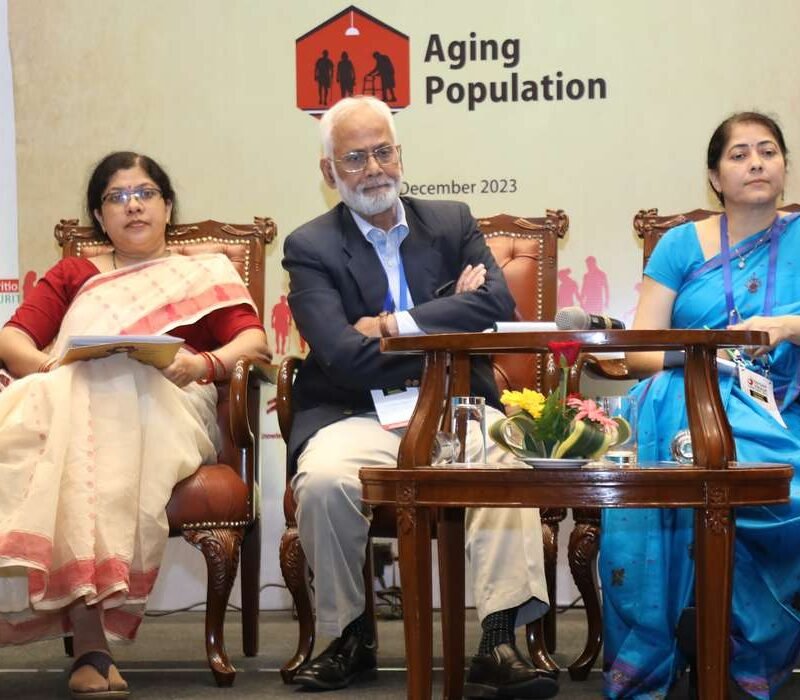
In Odisha, a significant increase in the percentage of older persons is anticipated, rising from 11.5% in 2021 to an estimated 17% in 2036. This demographic shift, coupled with changes in the sex ratio, particularly within the older age cohort, presents pressing challenges for the state. The rising feminization of the ageing population and an increasing dependency ratio highlight the need for robust policies and infrastructural adaptations to ensure adequate care, inclusive opportunities, and comprehensive support systems.
Download Background Note
Key Discussion Points
- What is the current status of universal healthcare for the elderly in Odisha? What steps need to be taken to widen the reach of health care to the different segments of elderly population in the state?
Highlights of the Discussion
- There is a need to prioritize and invest in adopting a healthy lifestyle as a prerequisite for promoting healthy aging.
- Awareness about pension and widow schemes remains notably low in Odisha, with only 12% of the population utilizing them. Increasing this awareness is of the essence.
- It is imperative to encourage the participation of women and elderly individuals in the workforce to foster economic empowerment.
Policy Suggestions
- Social Security: Implement an increase in non-contributory pensions, using the consumer price index as the basis. It would be beneficial to consider universal coverage for older women and individuals aged 80 and above.
- Healthcare for the Elderly:
- Strengthen the NPHCE (National Programme for Health Care of Elderly) in Odisha.
- Ensure that health and wellness centers, focusing on preventive healthcare and mental health, are well-equipped and functional.
Action Points for the Social Sector and the Corporates
- Raise Awareness: Disseminate information on acts, schemes, policies, healthcare facilities, digital safety, and all relevant details concerning older persons.
- Combat Elder Abuse: Instruct the reporting of elder abuse. Provide necessary support and counseling to needy elderly individuals at the community level.
- Enhance Geriatric Care: Facilitate geriatric care-giving training and skill-building. Promote community-level geriatric care-giving for the elderly.
- Establish Institutional Set-ups: Implement provisions for institutional setups such as geriatric care facilities, old age homes, daycare centers, and age-care service hubs.
Corporate Social Responsibility
Demographic factors such as population growth, age distribution, urbanization, and migration patterns play a crucial role in shaping the development landscape. The vast scale and diversity of global populations present both challenges and opportunities for businesses engaged in CSR initiatives. Companies must adeptly navigate the intricacies of demographic shifts to tailor their CSR strategies effectively.
Download Background Note
Key Discussion Points
- What mechanisms does Odisha have at the state level to coordinate and converge social sector initiatives among the government, corporate groups, and CSOs?
- Are there models and best practices that could be adapted to facilitate beneficial convergence of social sector initiatives in the state?
- How can CSOs and corporations work together to improve transparency and accountability in the implementation and reporting of CSR projects?
- In what ways can corporates assist CSOs and the government in advancing gender equality; extending beyond maternal health care?
Highlights of the Discussion
- Purpose of Business: The conventional belief that the primary aim of business is solely profit must be reevaluated. In the modern landscape, businesses have evolved into responsible stakeholders, capable of actively participating in the advancement of society.
- Impact of Industrialization: It is important to recognize the multifaceted effects of industrialization, encompassing both positive and negative impacts of industrialization on corporates as well as on communities.
Policy Suggestions
- Case Study Documentation: It would be useful to prioritize the documentation of successful CSR case studies to facilitate the sharing of best practices and encourage greater participation.
Action points for the Social Sector and the Corporate
- Engage actively in, or contribute to, the capacity development of local Community-Based Organizations (CBOs)/Non-Governmental Organizations (NGOs) to elevate them into exemplary implementation partners. This enhanced capacity will empower them to effectively address the challenges faced by marginalized communities and areas.
Building Resilient Gram Panchayat
Odisha has experienced a transformative evolution in areas such as food production, food security, livelihoods, and disaster management. Concurrently, the state is navigating a swift demographic transition, marked not only by the size of its population and growth rate, but also by the composition and distribution of its inhabitants, accompanied by changing behaviours and aspirations. The sustained decline in fertility, combined with rapid economic and socio-cultural transition is delineating a different trajectory for the state.
Download Background Note
Key Discussion Points
- How to build the local ecosystem with information and capacity building support especially to PRIs & CBOs in realization of SDG aligned GPDPs?
Highlights of the Discussion
- There should be a direct correlation between the development of the villages and the overall progress of the state.
- Local needs should take precedence within the frame of development, and the institutions responsible for driving it should be equipped with adequate funds, functions, and functionaries.
Policy Suggestions
- Consolidate details of all schemes and social entitlements from various departments into a single portal for easy accessibility.
Action points for the Social Sector and the Corporates
1. Increase community awareness and participation
- Conduct awareness camps to assist in the generation of public awareness about various government programs.
- Strengthen Community-Based Organizations (CBOs) and enhance their participation in Palli Sabha and Gram Sabha meetings.

Way Forward
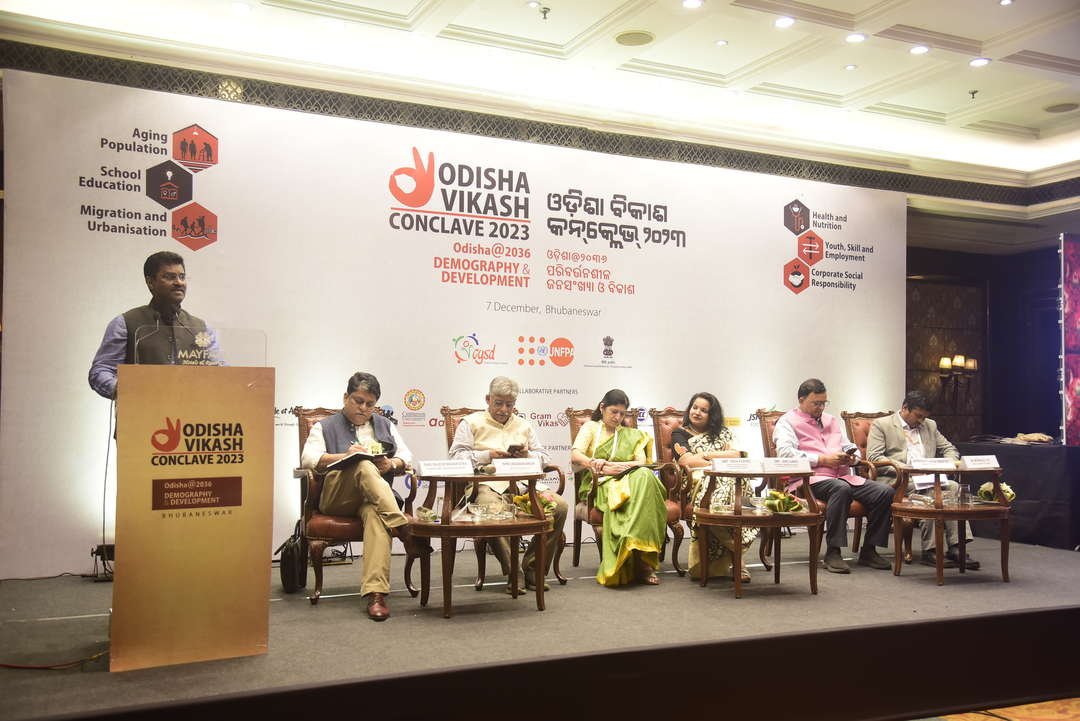
The ‘way forward’ session of the conclave took place at the Mayfair Convention Centre in Bhubaneswar on December 7th, 2023. The event was graced by esteemed dignitaries, including Smt. Anu Garg, Development Commissioner-cum-Additional Secretary; Smt. Usha Padhee, Principal Secretary of the Department of Skill Development and Technical Education; Shri Surendra Nath Tripathi, Director General of IIPA, Government of India; Dr. Muniraju S.B., Deputy Advisor at NITI Aayog; and Shri Jagdananda, mentor and co-founder of CYSD.
”Development is the best contraceptive, the best way to improve living conditions, provide dignity, institutional support, and choices.
Smt. Usha PadheePrincipal Secretary, Dept. of Skill Development and Technical Education
”Each scheme, each policy and each strategy need to be seen from a gender lens and we need to think of how to involve and make use of that 50% of the population which are there.
Smt. Anu GargDevelopment Commissioner-cum-Additional Chief Secretary Govt. of Odisha
Panelist & Speakers





























COLLABORATORS




KNOWLEDGE PARTNERS



Reports & Factsheets
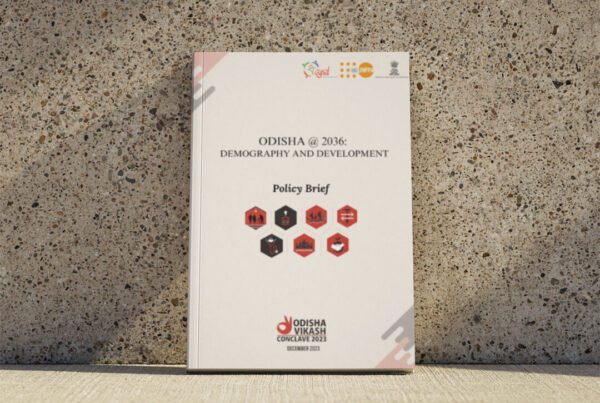
Context Odisha is currently undergoing a swift demographic transition, influenced…